Accessibility Statement and Support Skip to Main Content Skip to Footer

Facilities and Lab Spaces

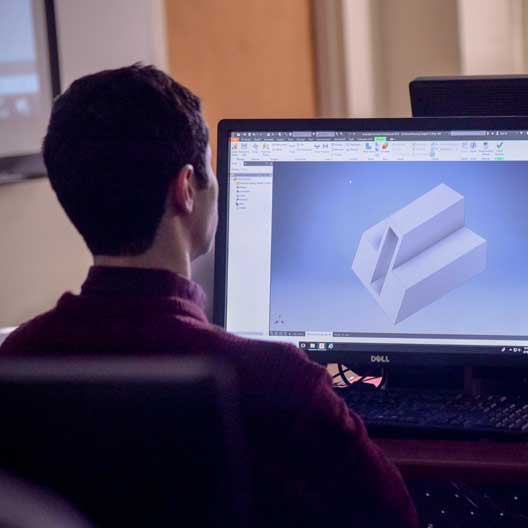
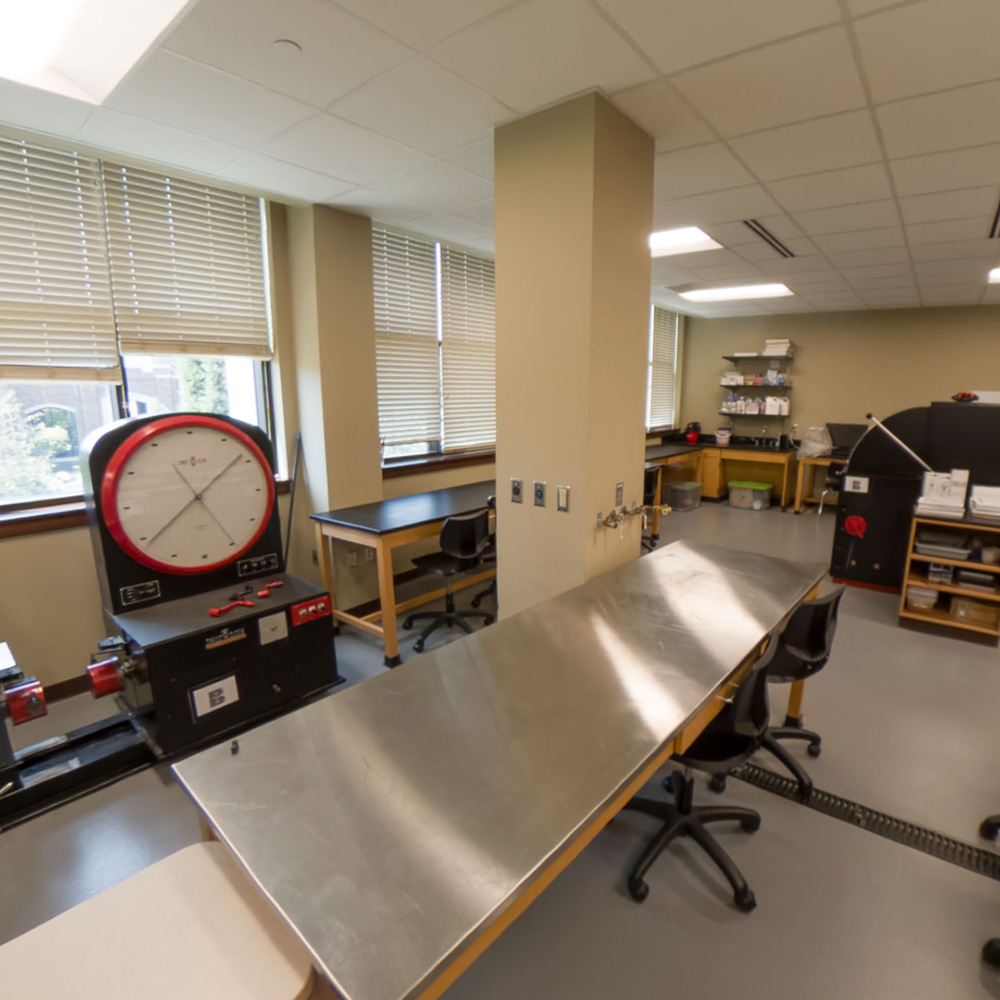
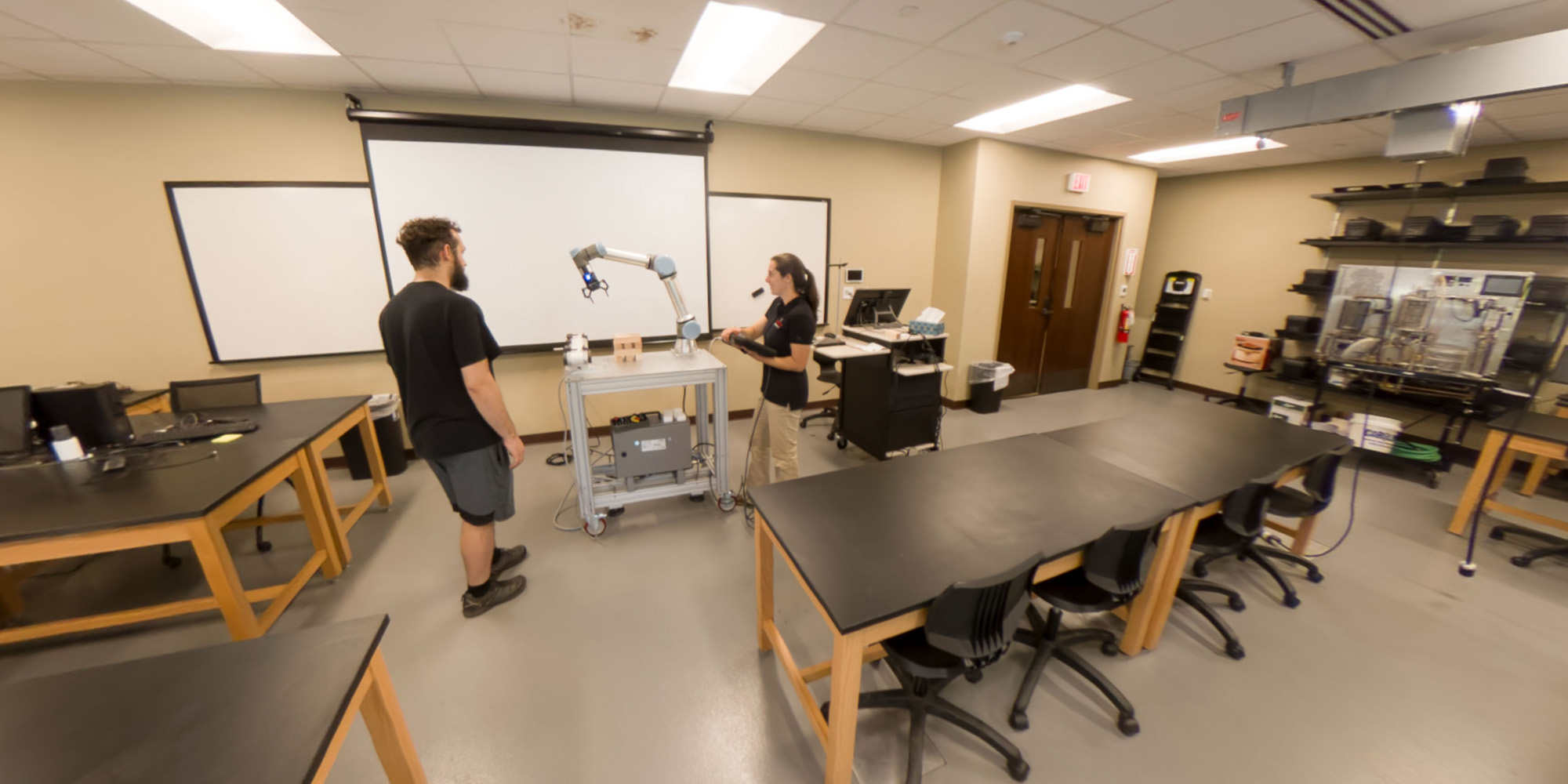
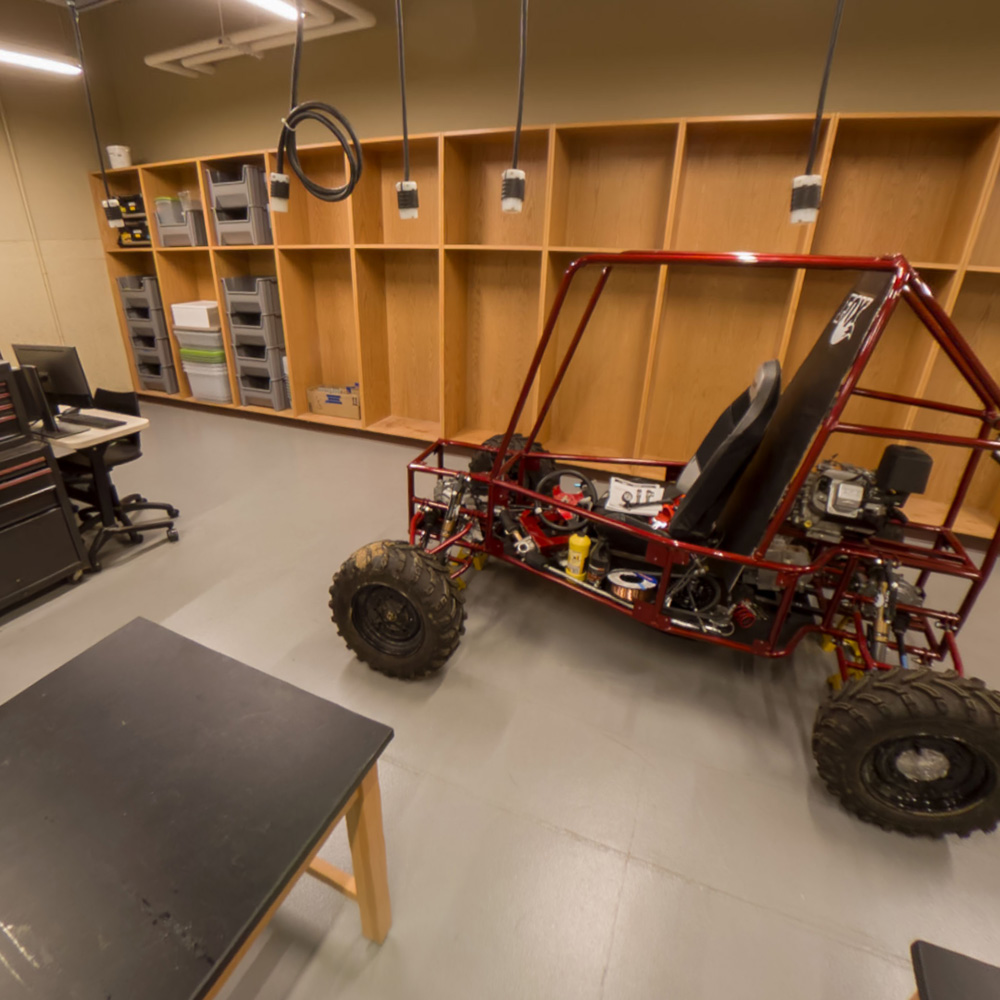
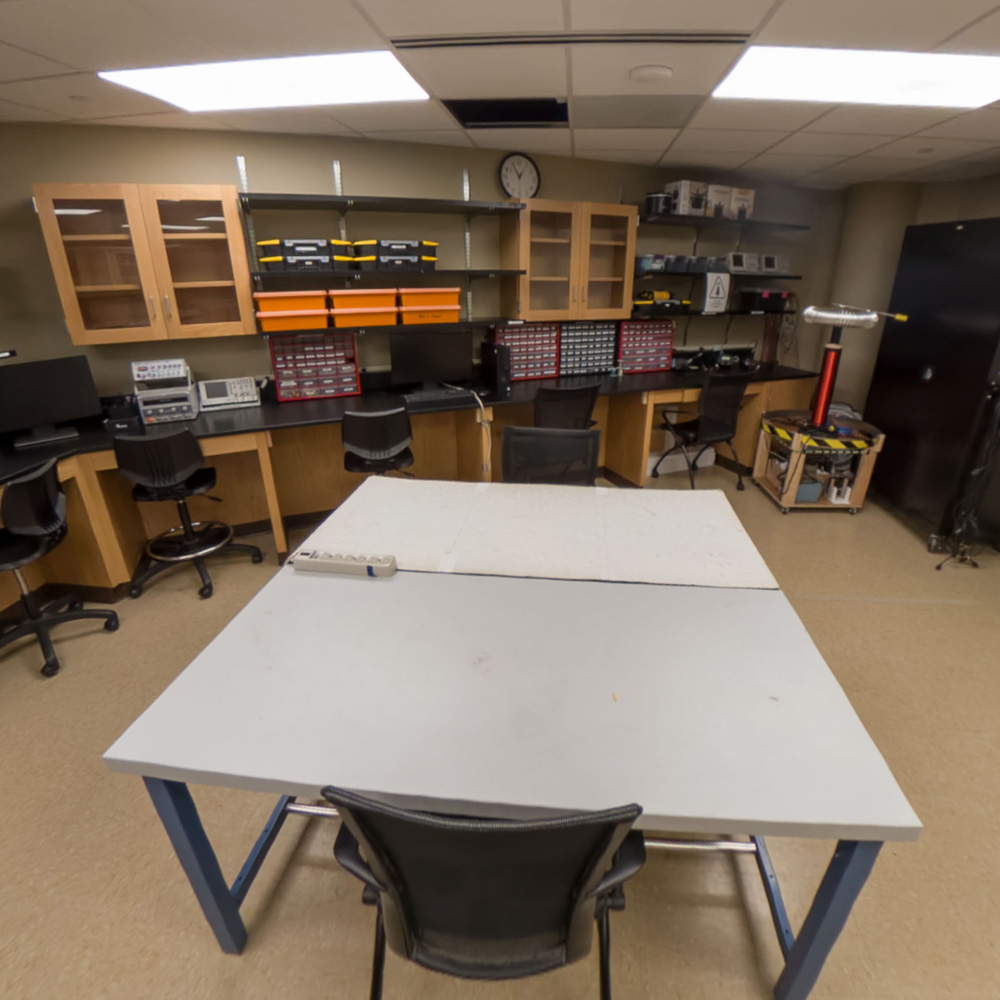
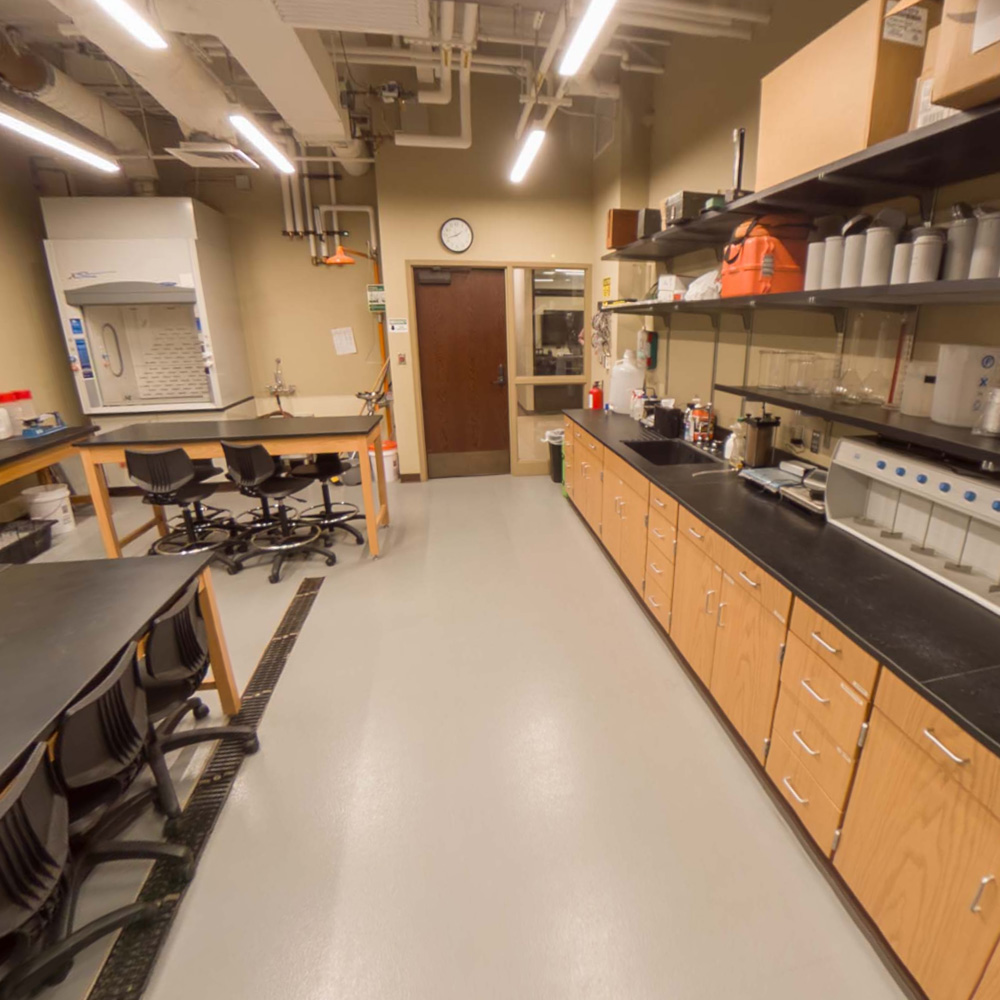
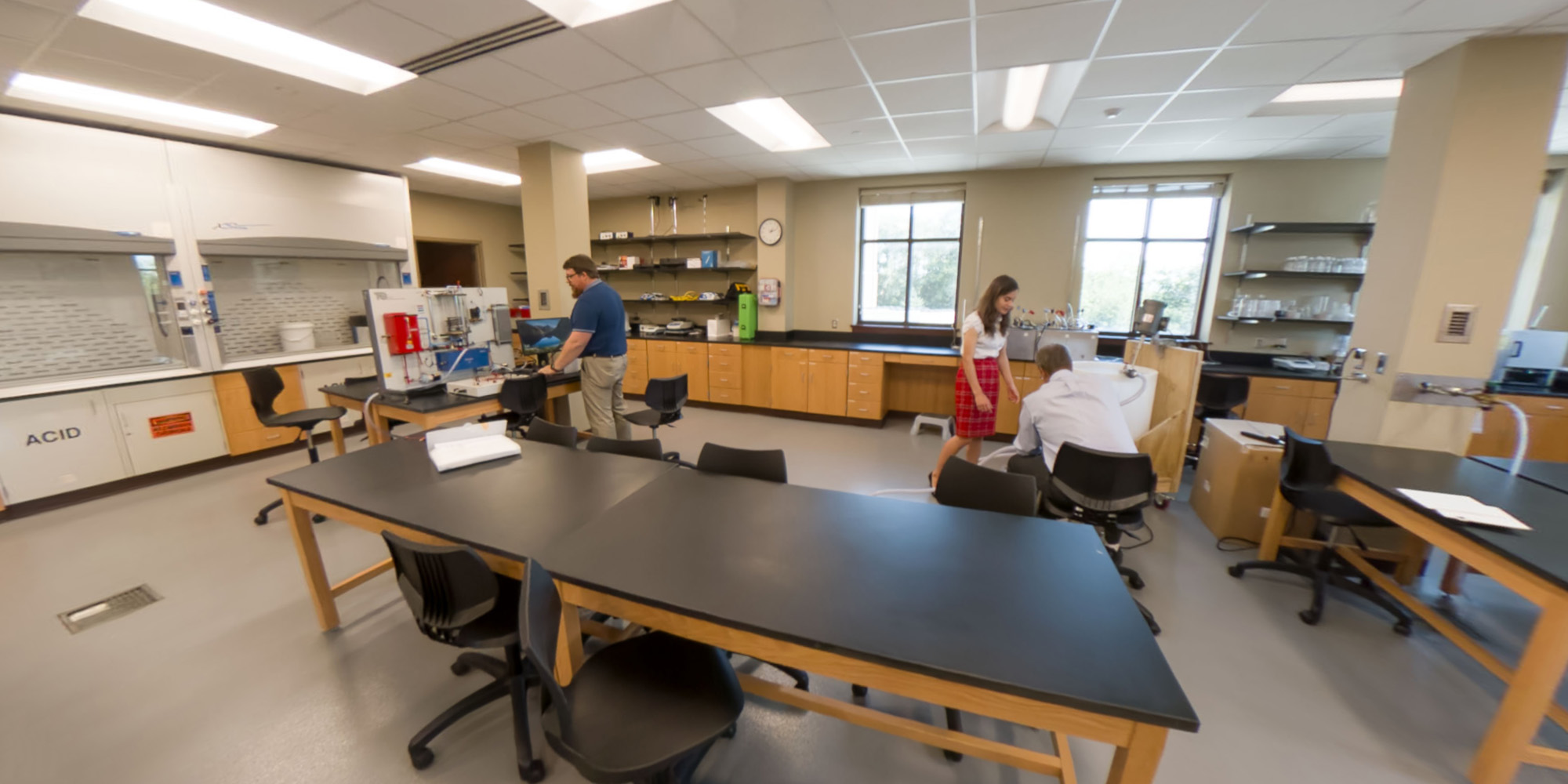
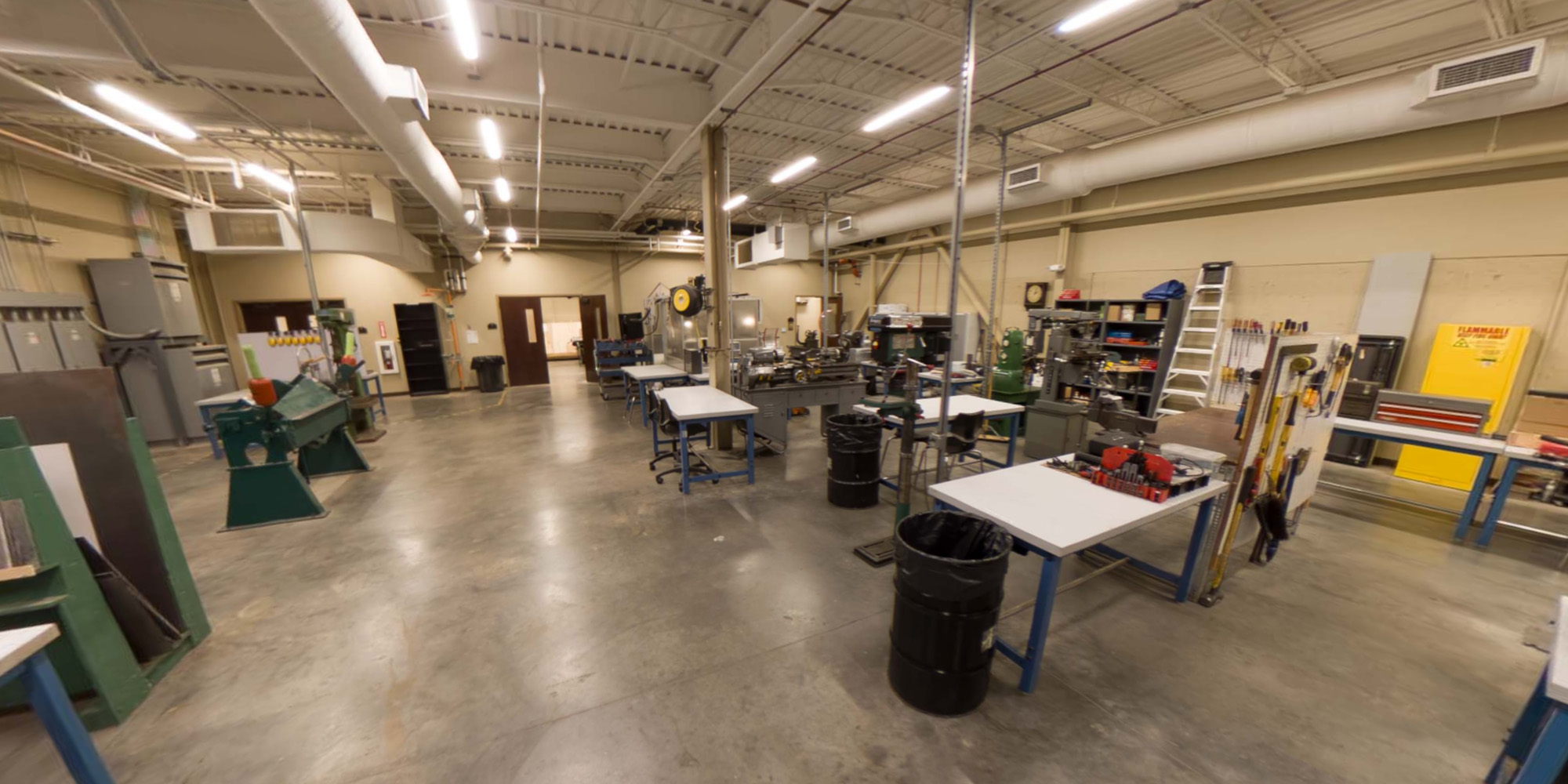
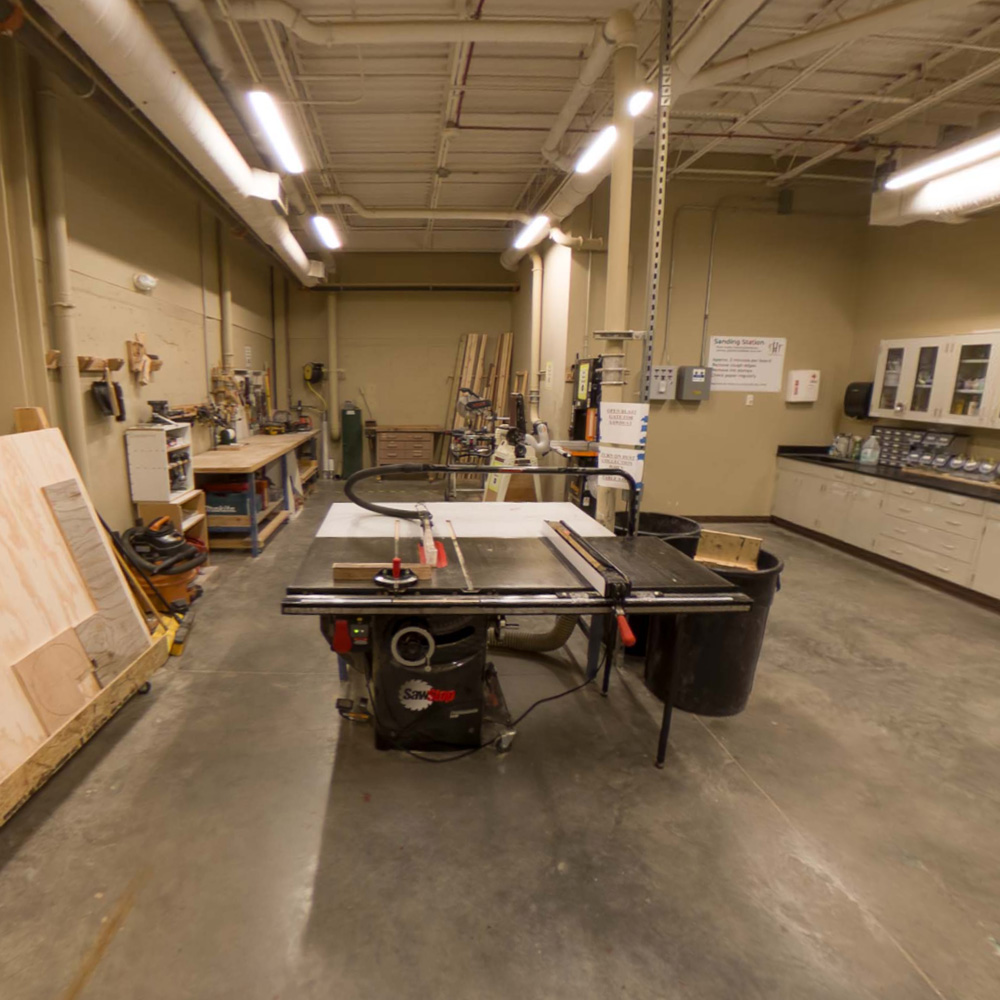
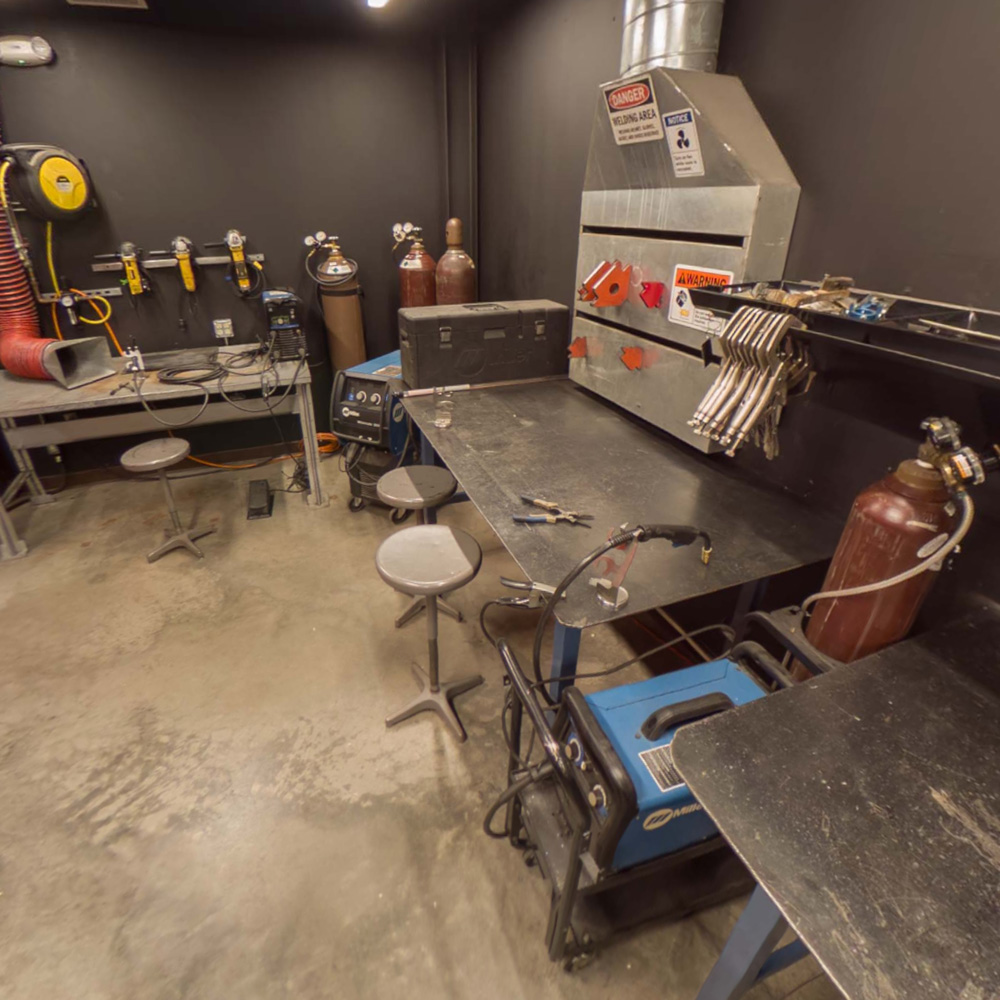
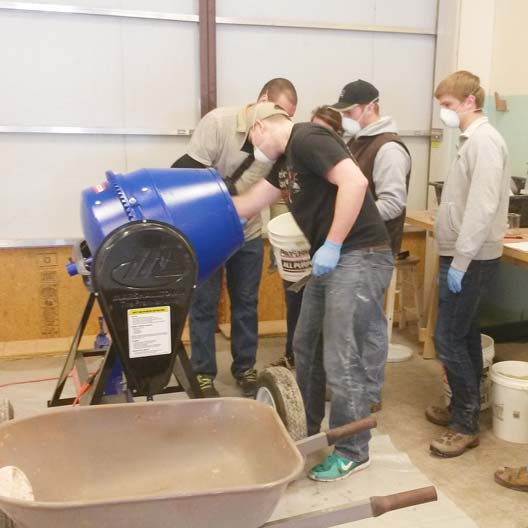
The engineering wing in Westerman Hall is home to cutting-edge equipment and workspaces that facilitate student projects in all four of our offered disciplines: Civil, Chemical, Electrical and Mechanical. Take a virtual tour!

Visit the School of Engineering

Want to learn more about Engineering at one of the top faithfully Catholic colleges in America? Come for a day visit! Or for a more in-depth experience, participate in our week-long Engineering track for high school students, offered during the BCYC Immersion summer youth camp!

Engineering at a Faithfully Catholic College Recommended by the Newman Guide to Choosing a Catholic College

Newman Guide Recommended College Badge

The Newman Guide to Choosing a Catholic College recognizes Benedictine College for its excellence in faithful Catholic education. Students in our Engineering programs study and work in a passionately Catholic environment where their faith can flourish alongside their knowledge of the foundational principles and modern innovations of engineering.

School of Engineering graduates become professionals committed to the highest ethical standards who understand the role of engineering as a profession and their duty as engineers to promote the good of society.

Additional Resources

How does a Liberal Arts background help in an engineering career?

Communication and Collaboration

Every engineering project involves working with people. Project requirements and solutions need to be discussed with team members, project stakeholders, government officials, etc. A liberal arts background helps develop the written and oral communication skills that lead to effective collaboration and project success.

Agile Problem Solving

Training in industry-standard principles and skills prepares graduates to meet the majority of engineering challenges, but real-world projects can still throw curveballs from outside an engineer’s area of specialization. The broad knowledge and critical thinking skills gained from a liberal arts background give an engineer an advantage in adjusting to unexpected obstacles.

Capable Leadership

A liberal arts background exposes students to the rich breadth of human experience from many different angles and is a time-tested method for educating wise leaders. If you can see more of the whole picture of a project and understand the goals, motivations and needs of clients, team members and anyone who will eventually benefit from the solution, you can more effectively lead in your role to achieve success.

Accreditation

The Chemical, Civil, Electrical, and Mechanical Engineering Programs at Benedictine College are Accredited by the Engineering Accreditation Commission of ABET. Students remain at Benedictine College for the entire program.

ABET Engineering Accreditation Commission

Learn more about ABET Objectives and Outcomes.

FAQs When Considering an Engineering Major

What is Chemical Engineering?

Chemical engineers apply the principles of chemistry to solve problems involving the production or use of chemicals and other products. They design equipment and processes for large-scale chemical manufacturing, plan and test methods of manufacturing products and treating byproducts, and supervise production. About our Chemical Engineering Program

What is Civil Engineering?

Civil engineers design and supervise the construction of roads, buildings, airports, tunnels, dams, bridges and water supply and sewage systems. They must consider many factors in the design process from the construction costs and expected lifetime of a project to government regulations and potential environmental hazards such as earthquakes and hurricanes. About our Civil Engineering Program

What is Electrical Engineering?

Electrical engineers design, develop, test and supervise the production of a great range of electrical equipment and systems: electric motors, controls for devices and machinery, building wiring, power generation and transmission, computers and more. About our Electrical Engineering Program

What is Mechanical Engineering?

Mechanical engineers research, design and produce tools, engines, machines and other mechanical devices. Mechanical engineering is one of the broadest engineering disciplines. Engineers in this discipline work on power-producing machines such as electric generators, internal combustion engines and jet turbines. About our Mechanical Engineering Program

Are there any good summer engineering camps for high schoolers?

Benedictine College’s BCYC Immersion summer camp for high school students offers tracks in Chemical Engineering, Civil Engineering, Electrical Engineering and Mechanical Engineering that introduce students to the engineering field. Students spend a week on campus, taking hands-on classes while learning the principles and skills used by all engineers. And like any good Catholic summer youth camp, BCYC Immersion also features numerous faith and fellowship activities.

Why is ABET accreditation important for engineering schools?

ABET accreditation is the global standard for high quality engineering degree programs. This intensive review process by the global ABET organization confirms that a program properly equips students with the cutting-edge knowledge and skills required to excel in today’s engineering industry. All of Benedictine College’s engineering degree programs are ABET-accredited, including Chemical Engineering, Civil Engineering, Electrical Engineering and Mechanical Engineering.