Accessibility Statement and Support Skip to Main Content Skip to Footer

America250 Celebration and Grand Opening of Benedictine College’s Library


Saturday, July 4, 2026, from 9:00 a.m. to Noon

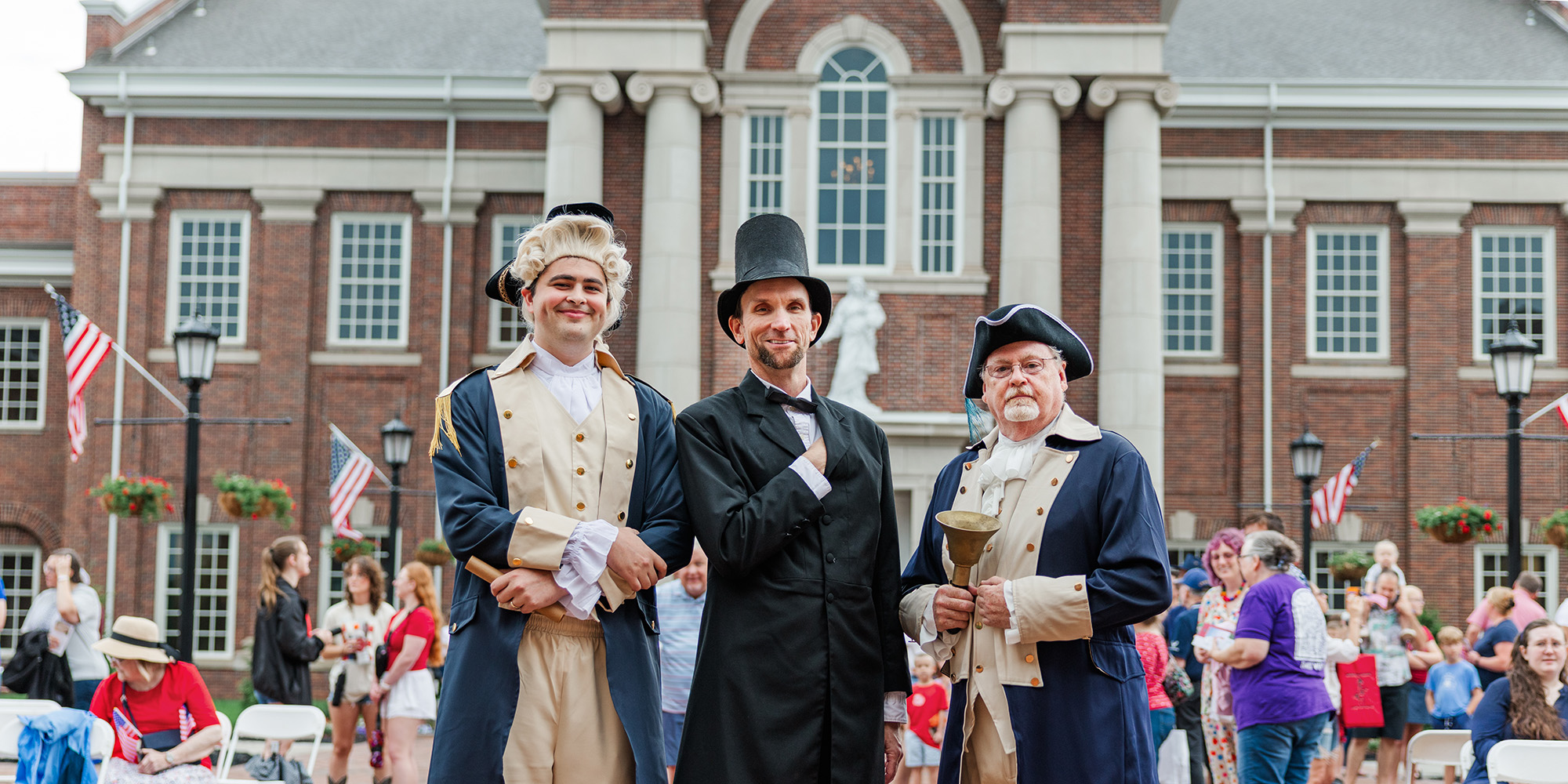
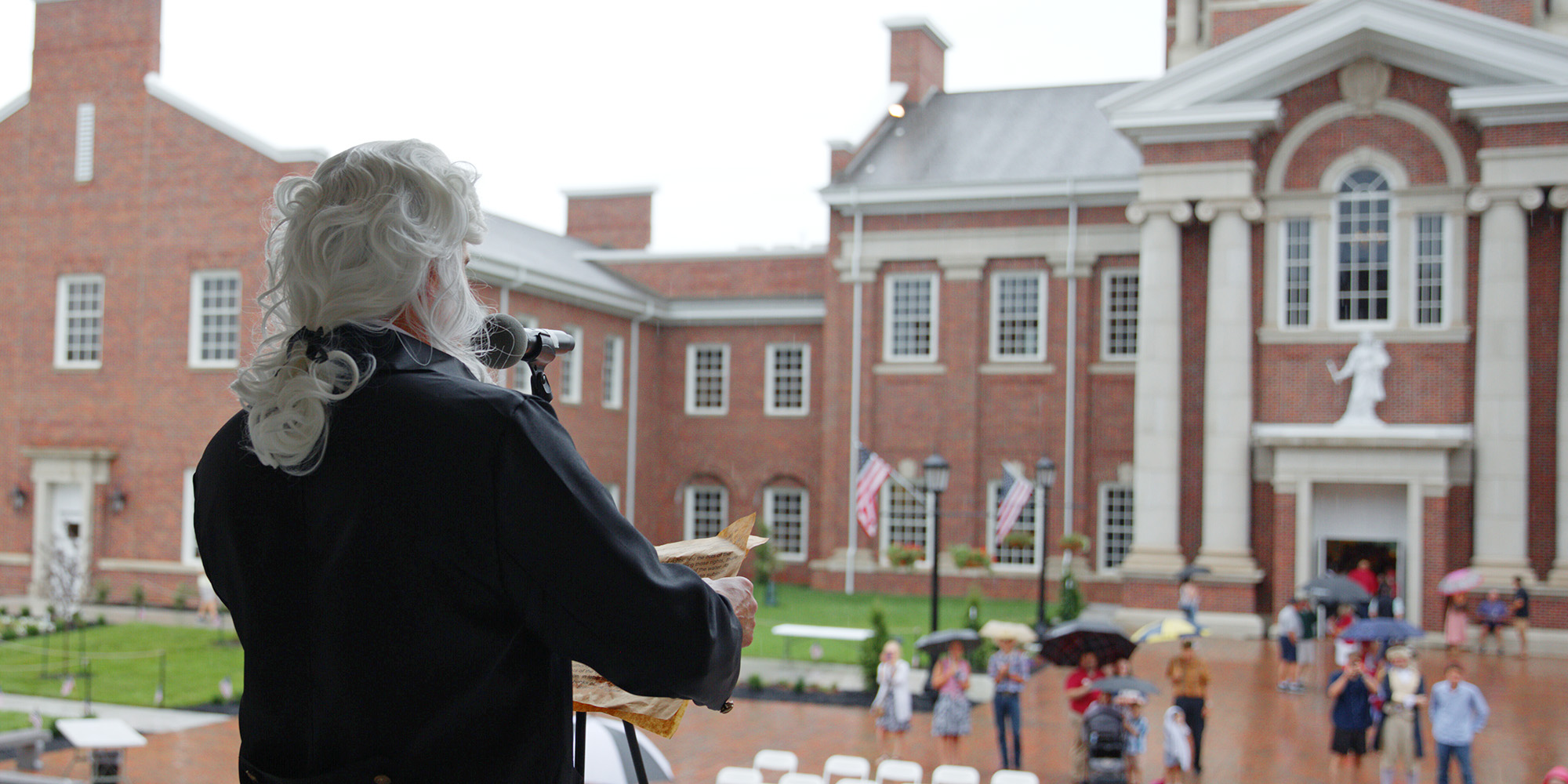
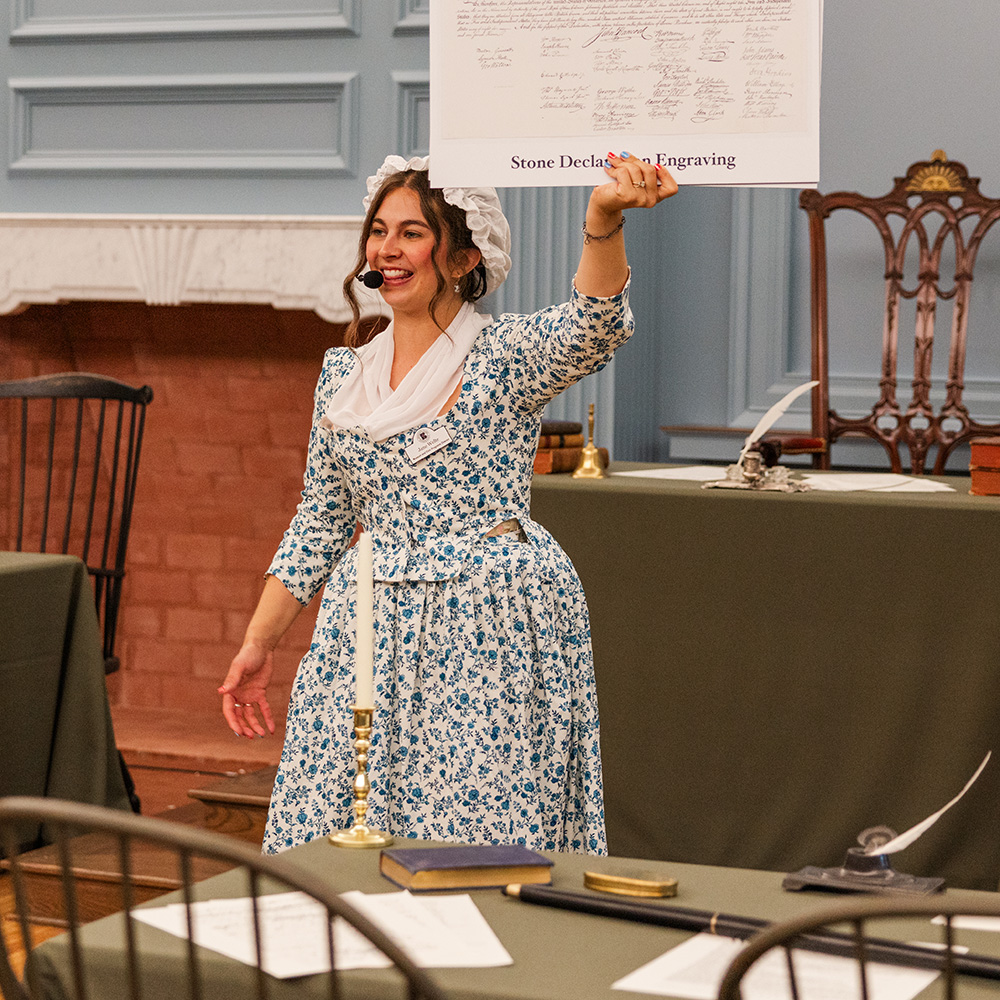
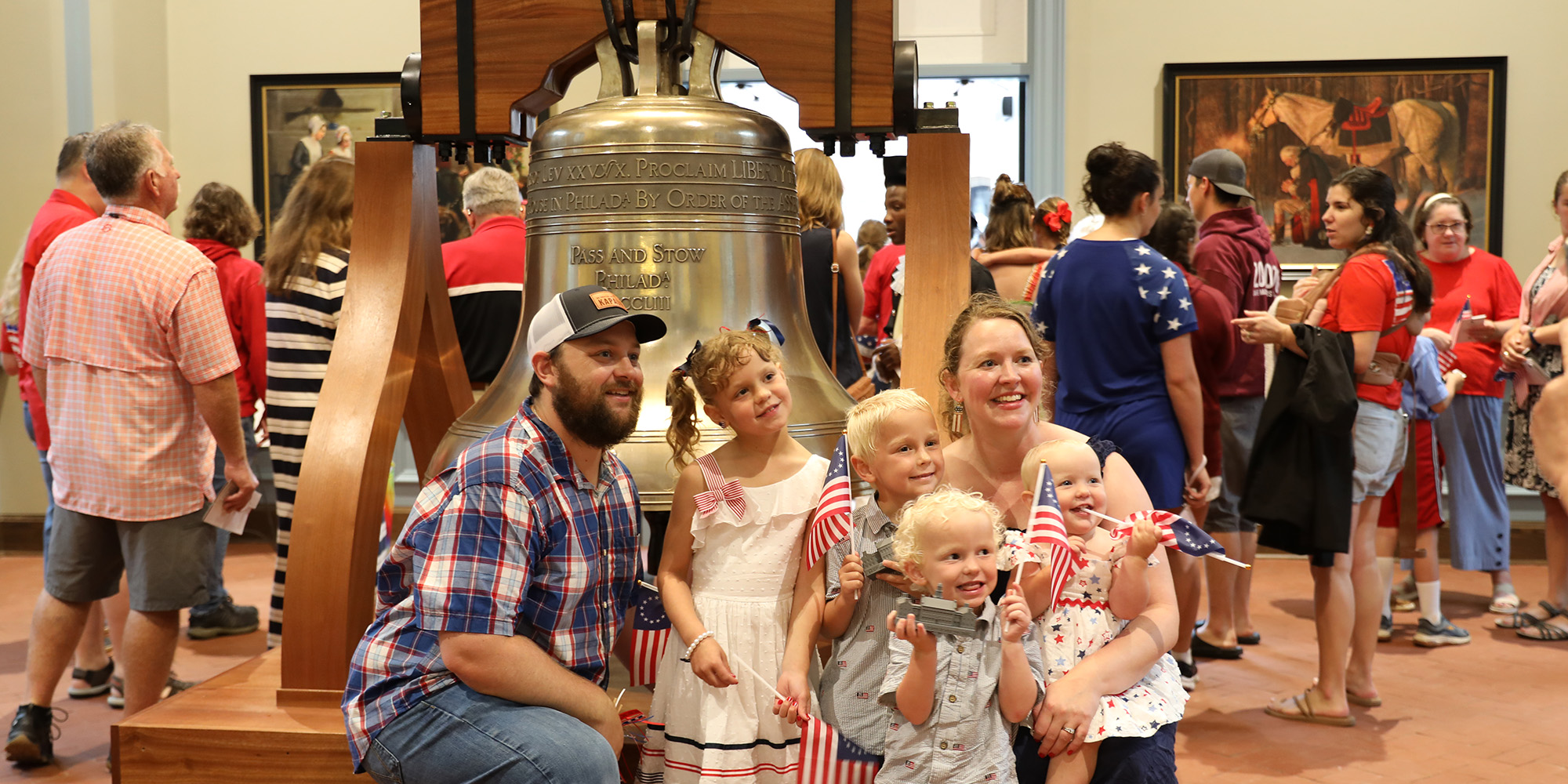
Benedictine College is in the final stages of completing its new library, built to resemble Independence Hall in Philadelphia. In keeping with the design, the facility includes a replica of the Assembly Room where the Declaration of Independence was debated and signed, as well as a replica of the Liberty Bell. Learn more about the Independence Hall-inspired Library

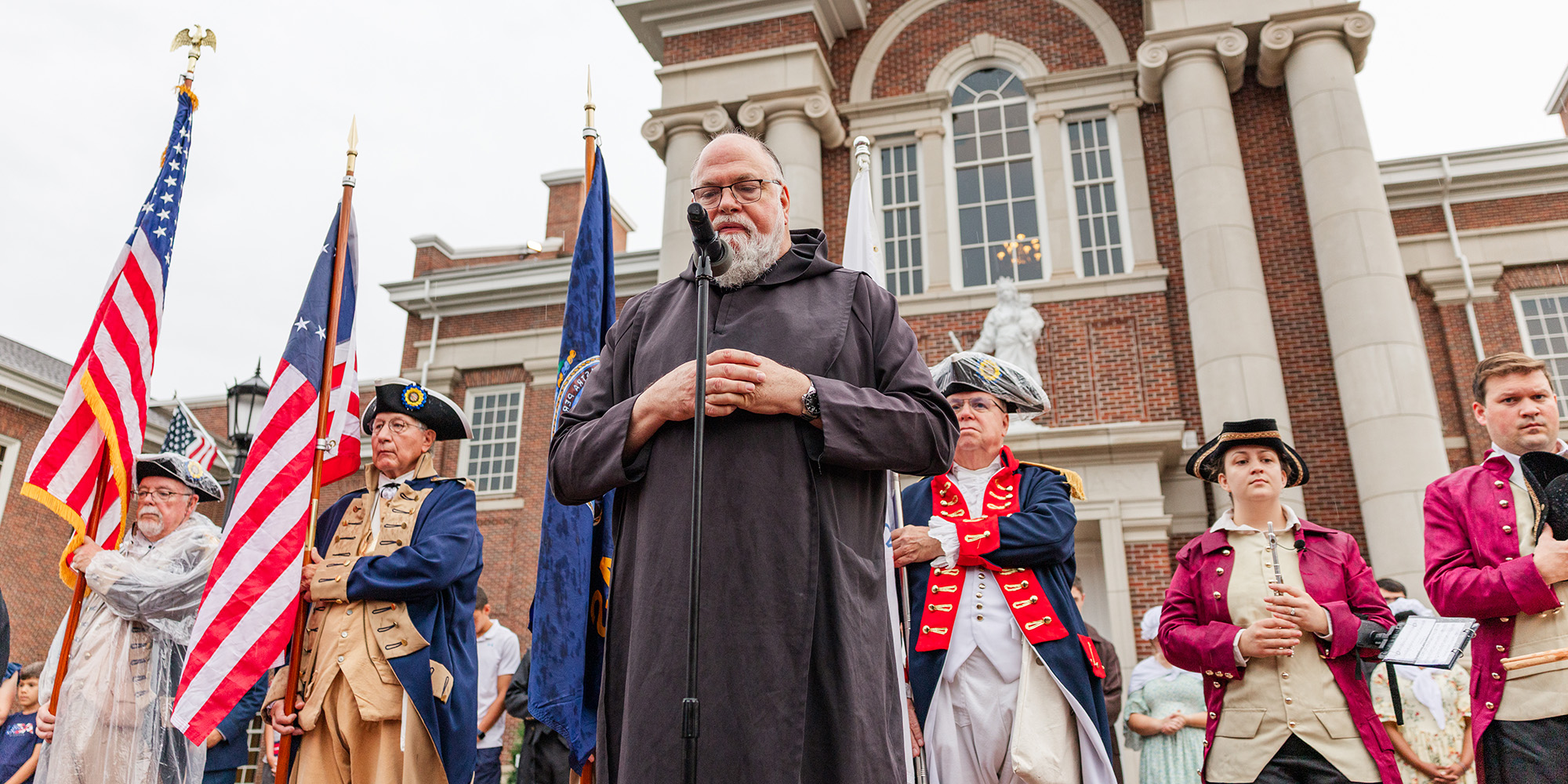
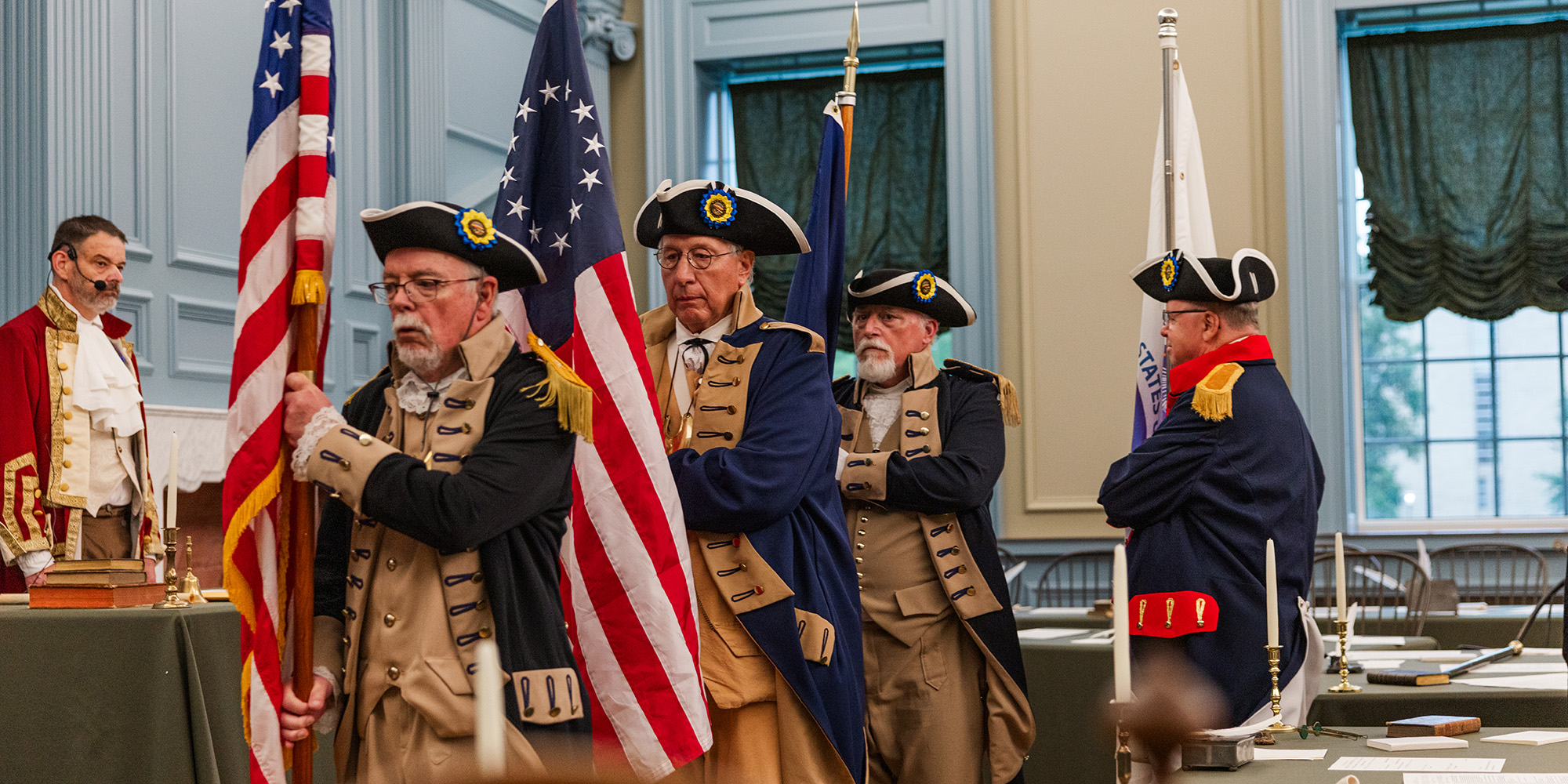
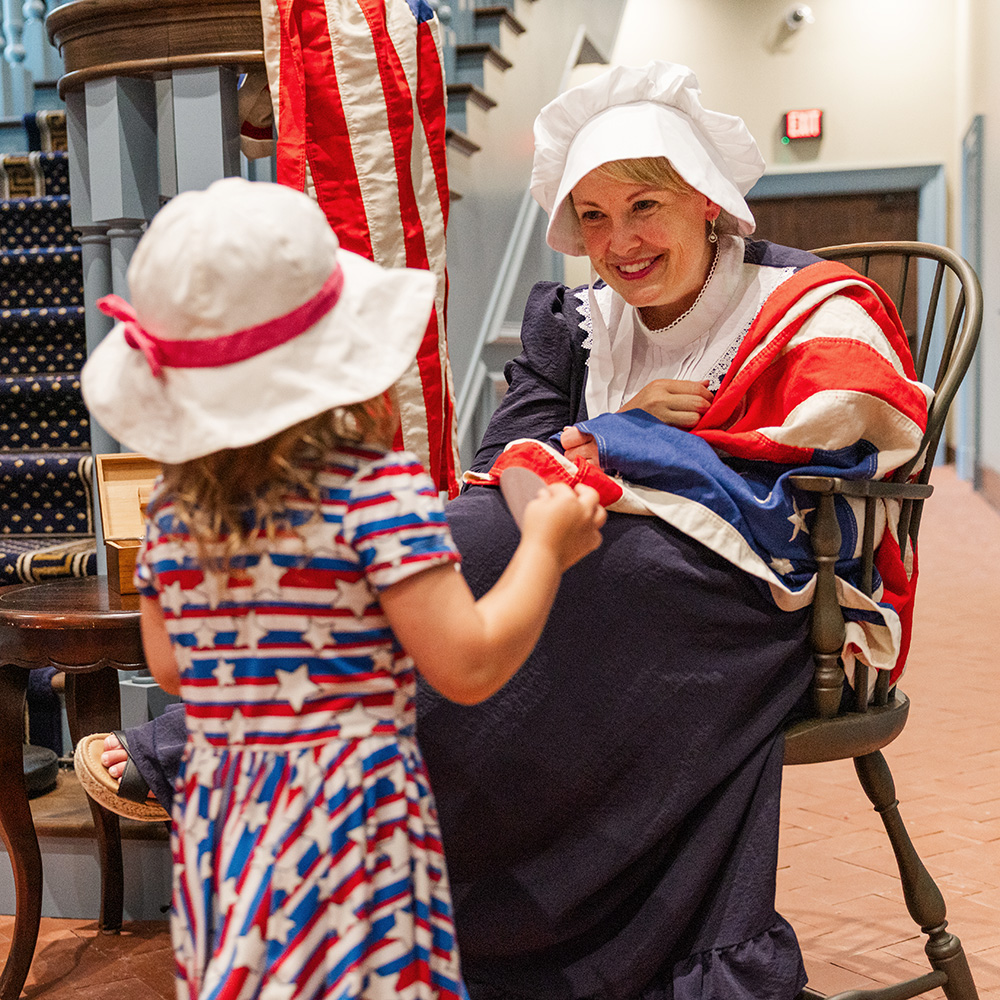
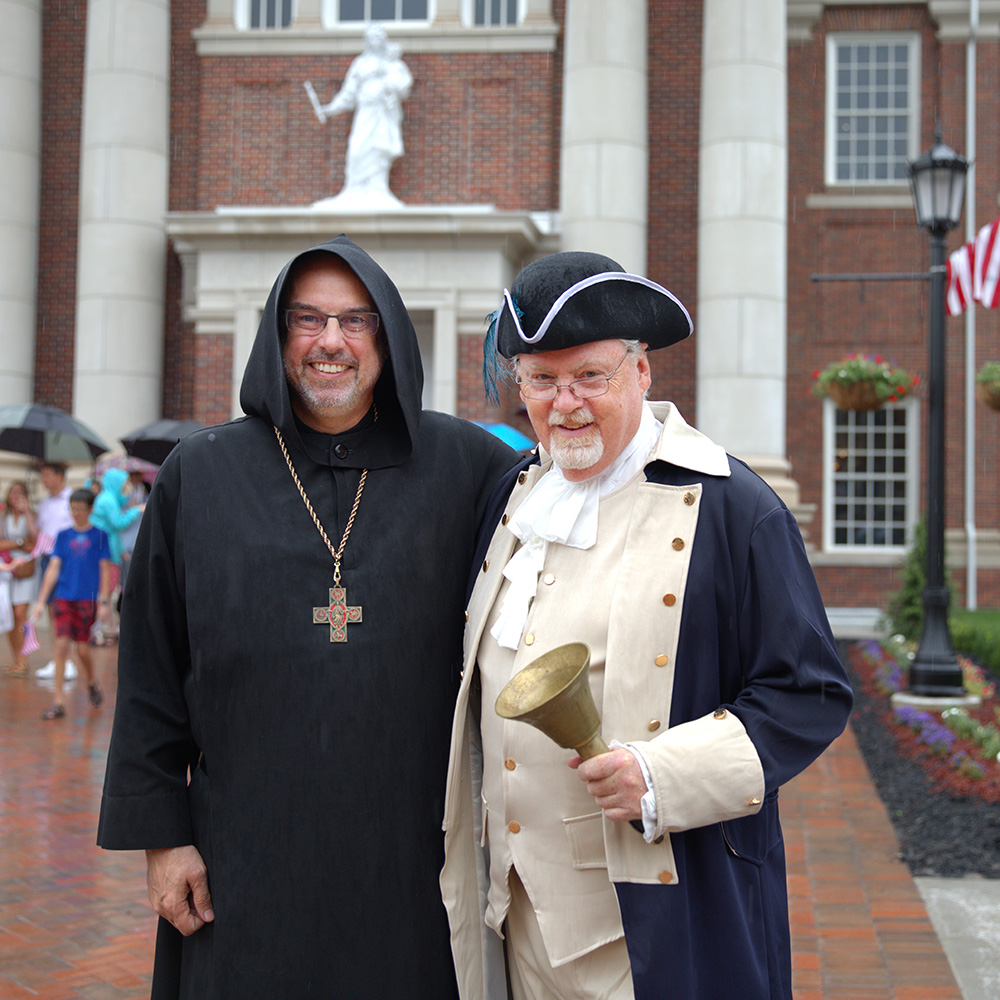
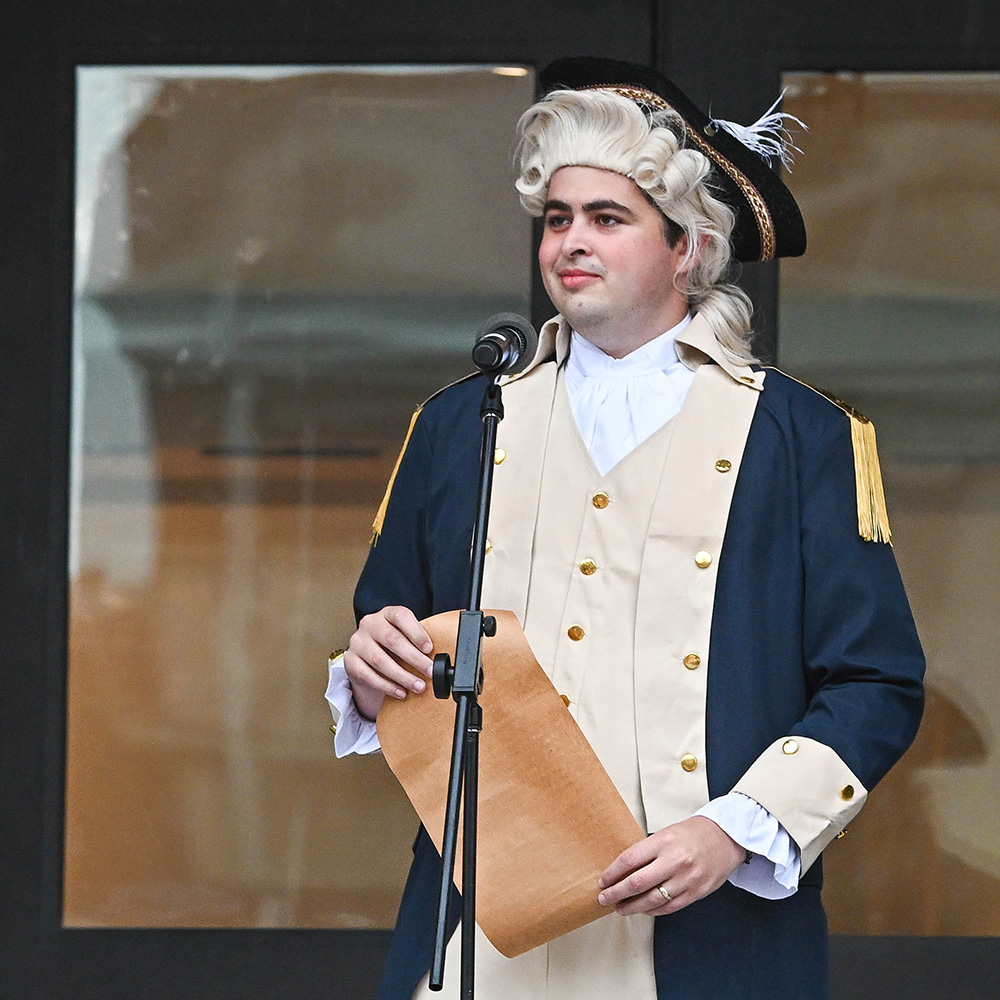
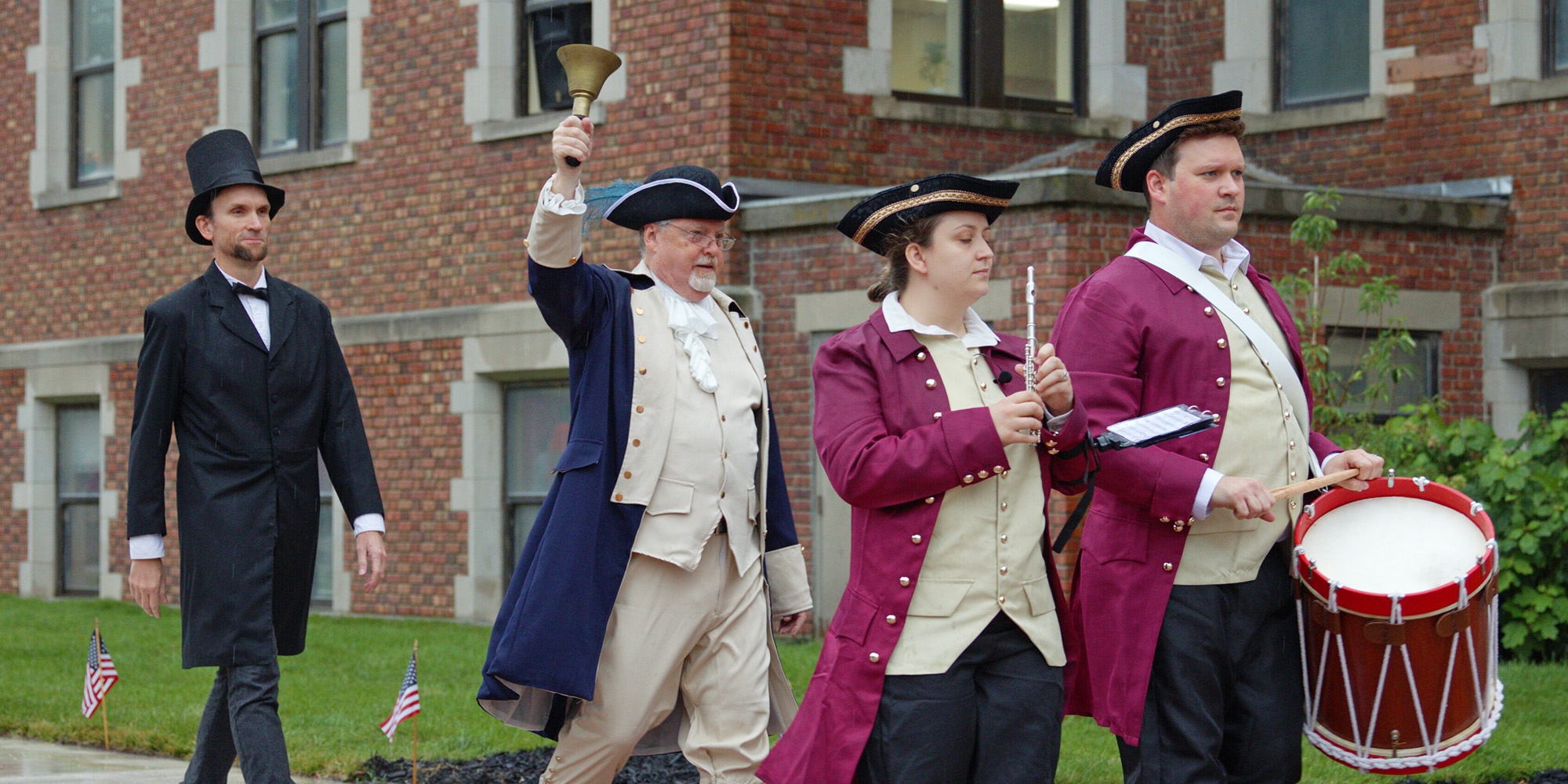
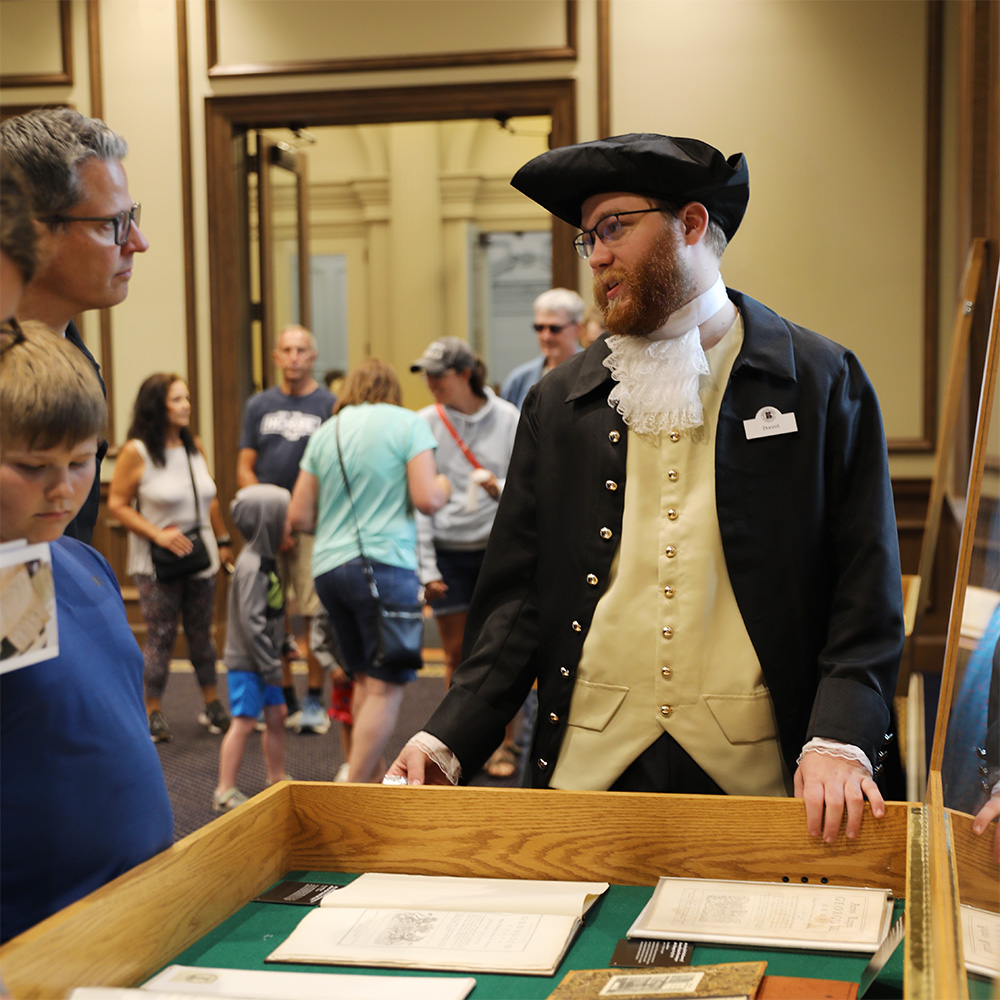
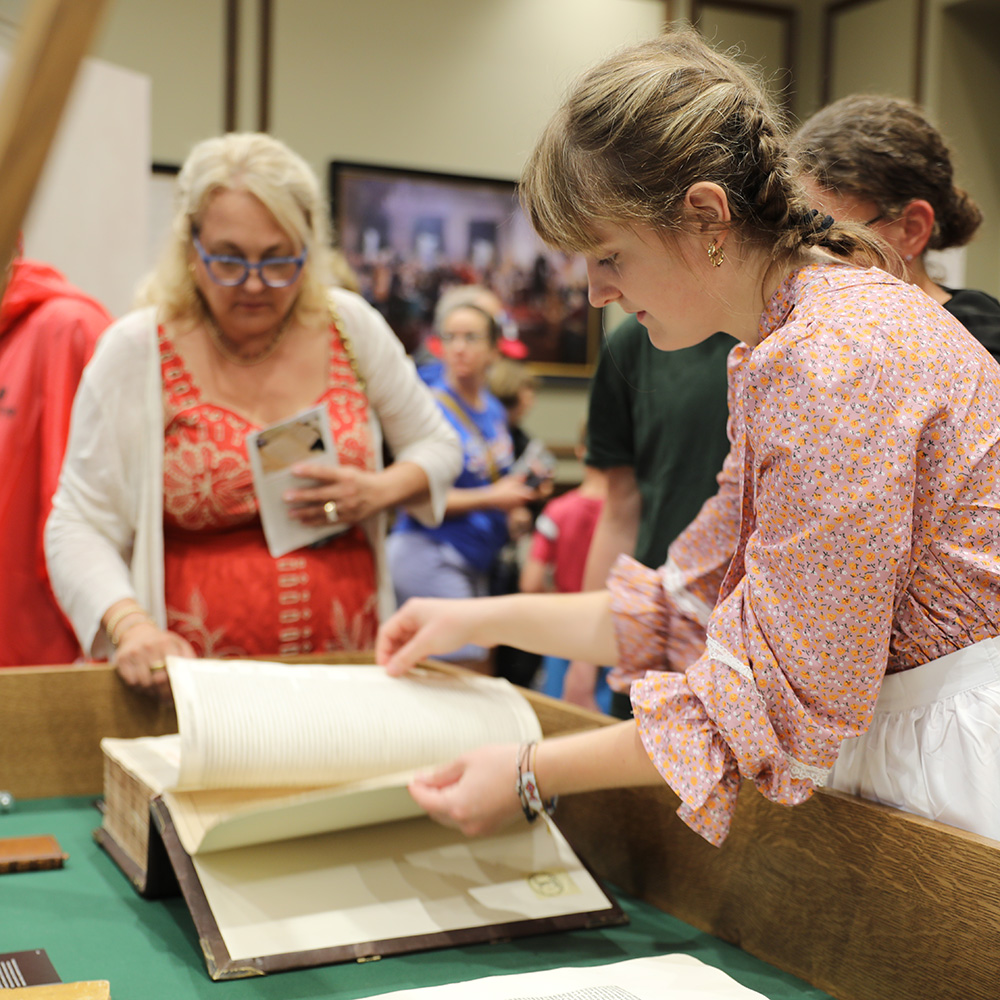
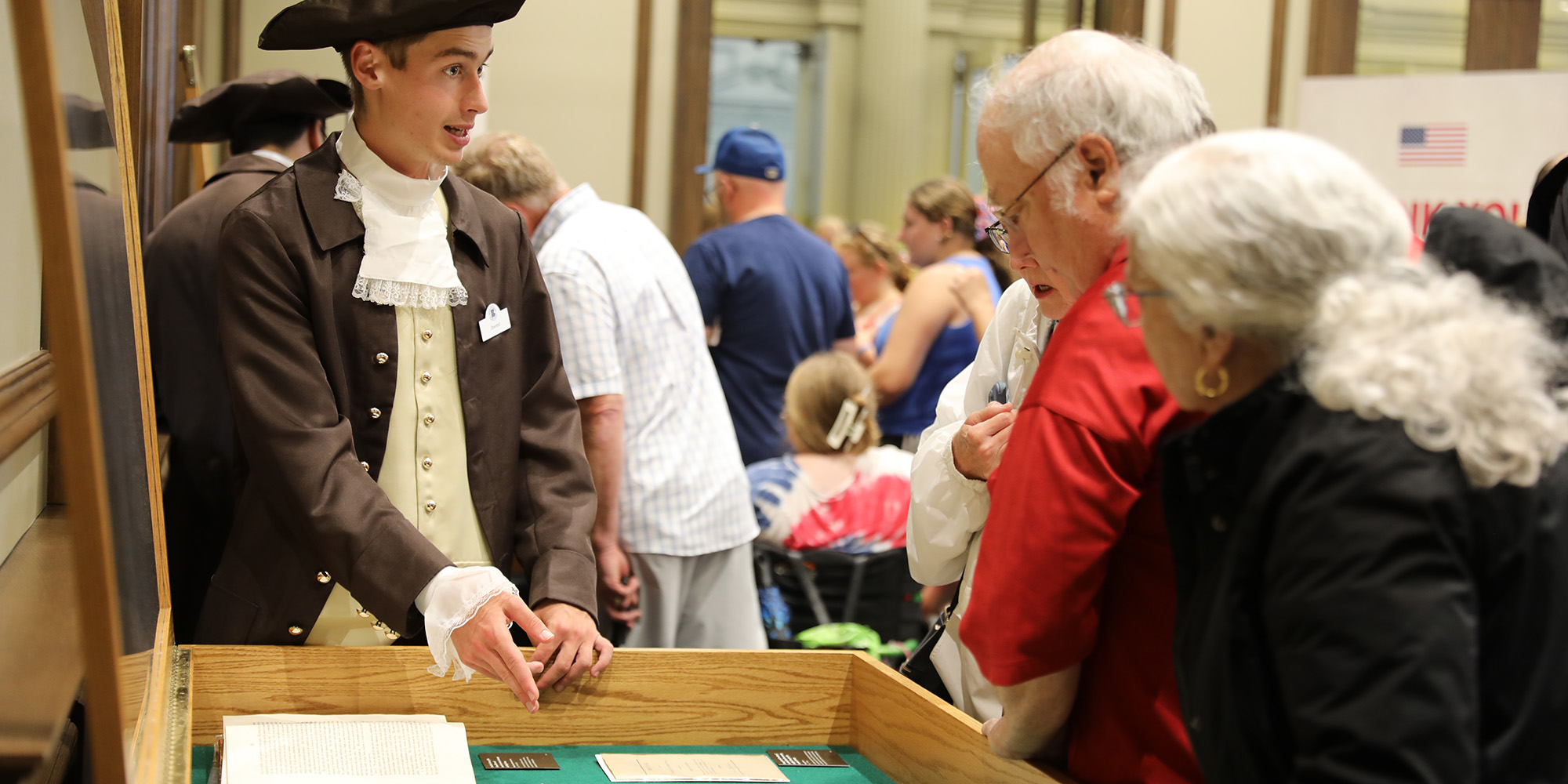
These areas of the library will be open from 9:00 a.m. to Noon on July 4, and the morning’s activities will include an exhibition of historical documents, children’s games and costumed re-enactors. It is all free and available to the public.

North side of New Library in Atchison, Kansas

July 4 will also be the day Benedictine College  reports the results of its 250 for 250 Scholarship Campaign, the college’s gift to America for her 250th birthday.

Exhibition of Colonial-Era Documents

In partnership with The Remnant Trust, the Spirit of America celebration will feature an exhibition of centuries-old documents from the British Empire and the American Colonies. The collection includes some notable documents which demonstrate the move toward independence and underlying influences.

1694 – A second edition of “Two Treatises of Government” by John Locke

Originally published anonymously, the first treatise discusses the idea that the power of the monarchy is absolute, refuting the thesis and arguing that accepting the idea can only lead to slavery. The second treatise focuses on the theory of a civil society. In this theory, Locke states that all men are created equal and valid governments exist only when they have the approval of the people.

This influential work’s concepts of freedom, law and government were foundational to modern democracy, and its sentiments are echoed in the American Declaration of Independence.

1724 – A first complete edition of “Cato’s Letters”

Essays written between 1720 and 1723 and published in the London Journal and the British Journal. The essays were written by John Trenchard and Thomas Gordon using the pseudonym Cato, a supposed Roman statesman who was writing against Ceasar and favored republican ideals.

The ideas of liberty, freedom and a government that was controlled by and for the people that were found in “Cato’s Letters” were especially influential during the American Revolutionary period. The “Letters” could be found in approximately half of the private libraries in the American colonies.

1766 – Act of the Parliament of Great Britain pertaining to the Stamp Act of 1765

A first English edition of an act of the Parliament of Great Britain pertaining to the Stamp Act of 1765, entitled, “An Act for Indemnifying Persons Who Have Incurred Certain Penalties Inflicted by an Act of the Last Session of Parliament, for Granting Certain Stamp Duties in the British Colonies, and Plantations in America; and for Making Valid All Instruments Executed or Enrolled there on Unstamped Paper, Vellum, or Parchment.”

The Stamp Act of 1765 levied a direct tax on the American Colonies and required certain printed materials in the colonies (legal documents, magazines, newspapers and several other types) be stamped or produced on stamped paper from London. This was considered taxation without representation and resulted in the convening of the Stamp Act Congress in New York City, which petitioned the King and House of Lords to cease the taxes. The petitions were denied, but the Stamp Act was promptly repealed the next year.

The convened Congress is viewed often as the first political actions of the American Revolution.

1774 – Massachusetts Government Act

An act of the British Parliament known as the Massachusetts Government Act, which was designed to remove the power of self-government from Massachusetts, part of a series of Coercive Acts (Intolerable Acts) in response to the Boston Tea Party (1773). It revoked the charter of William and Mary, changed the mode of appointment and composition of the council, and the manner of selection of judges, transferring control to the crown and Parliament.

1776 – “Common Sense” by Thomas Paine

In “Common Sense,” Paine made a persuasive case to the Colonists for American independence. He linked independence with the prevalent religious views of the Colonies, creating a uniquely American political identity. It was written like a sermon using clear and persuasive prose so all could read and understand its purpose. After publication, “Common Sense” became the most widely circulated document at the time, going through twenty-five editions in its first year. This book was highly influential in swaying the average colonist to support and defend the calls for independence from Great Britain.

1777 – “Journal and Proceedings of the General Assembly of the Common-Wealth of Pennsylvania”

One of only three known copies of the Third Dunlap Edition of the “Journal and Proceedings of the General Assembly of the Common-Wealth of Pennsylvania,” containing the Declaration of Independence. This document also contains negotiations between the commissioners of Pennsylvania and the chiefs of the Six Nations during the treaty made early in 1777.

1788 – The Federalist Papers

First edition of a series of essays written by Alexander Hamilton, James Madison, and John Jay, known as “The Federalist: A Collection of Essays, Written in Favour of the New Constitution, as Agreed upon by the Federal Convention, September, 17, 1787,” commonly known as The Federalist Papers.

The essays were written to promote and garner support for the ratification of the United States Constitution which would replace the original Articles of Confederation of 1777. The Articles placed restrictions on the central government, rendering it ineffective. With the help of “The Federalist” and its commentary, the Constitution was ratified on June 21, 1788.  The importance of “The Federalist” cannot be overstated in American history as it helped usher in a new form of government that placed the government’s power in the hands of the citizens.

1788 – “A Defence of the Constitutions of Government of the United States of America” by John Adams

A first edition of “A Defence of the Constitutions of Government of the United States of America” written by John Adams. Adams examines the various forms of Ancient and Modern government as well as their structures. In this publication, Adams strongly favored the separation of powers believing two branches of legislature would balance the power of government and the branches would come together in times of crisis. The publication’s influence can be easily seen in the Constitution of the United States.

1788 – The Constitution of the United States (First Edition)

The Constitution of the United States – First Edition (one of only five known copies) published prior to taking effect on March 4, 1789. The Constitution originally consisted of seven articles which laid out the separation of powers, the concepts of federalism, and the methodology for how the states were to ratify it. The Constitution has been amended twenty-seven times since its inception, with the first ten amendments known collectively as the Bill of Rights.

1789 – Journal of the First Session of the Senate of the United States of America

Journal of the First Session of the Senate of the United States of America (first official publication). Held from March 4 to September 29, 1789, in New York City, the first meeting of the Senate discussed the 17 amendments to the Constitution proposed by the House of Representatives, which the Senate rejected, and the 12 amendments the Senate passed and sent to the states for ratification under the heading “Proposed Amendments.” The first two were not ratified, and the remaining 10 became the Bill of Rights. This volume also contains President Washington’s first address to Congress, the first rules of the Senate, the debate on the Judiciary Bill, and other legislative works.

1804 – Message from President Thomas Jefferson Regarding Louisiana Purchase

1804 – This first edition document is titled “Message from the President of the United States, Accompanying Sundry Documents Relative to a Delivery of Possession, on the 20th Ultimo, by the Commissary of the French Republic, to the Commissioners of the United States of America, of the Territory of Louisiana.”

Although the U.S. originally sought only the port city of New Orleans and its surrounding lands, it quickly accepted France’s offer of the entire vast territory. In 1803, the United States purchased the Louisiana Territory from France under Napoleon Bonaparte for $15,000,000 (roughly $300,000,000 in 2017 dollars). Encompassing 828,000 square miles, the territory would eventually form parts of fifteen U.S. states and two Canadian provinces. This document contains President Thomas Jefferson’s announcement of the acquisition.

1814 – Official Account of the Lewis & Clark Expedition

This document titled “Travels to the Source of the Missouri River and Across the American Continent to the Pacific Ocean. Performed by Order of the Government of the United States, in the Years 1804, 1805, and 1806” by William Clark and Meriwether Lewis is a first edition printing.

This is the official account of the Lewis & Clark Expedition. Following Lewis’s death in 1809, the text was edited by Nicholas Biddle and Paul Allen, and the first edition was published in Philadelphia in 1814.

250 New Scholarships for America’s 250th Birthday

As a gift to America for her 250th birthday, Benedictine College has been raising money for 250 new scholarships to change the lives of students and create future leaders in communities across the globe, leaders instilled with community, faith and scholarship.