Accessibility Statement and Support Skip to Main Content Skip to Footer

Beauty. Order. Meaning.

A Classical Education in a Catholic Context


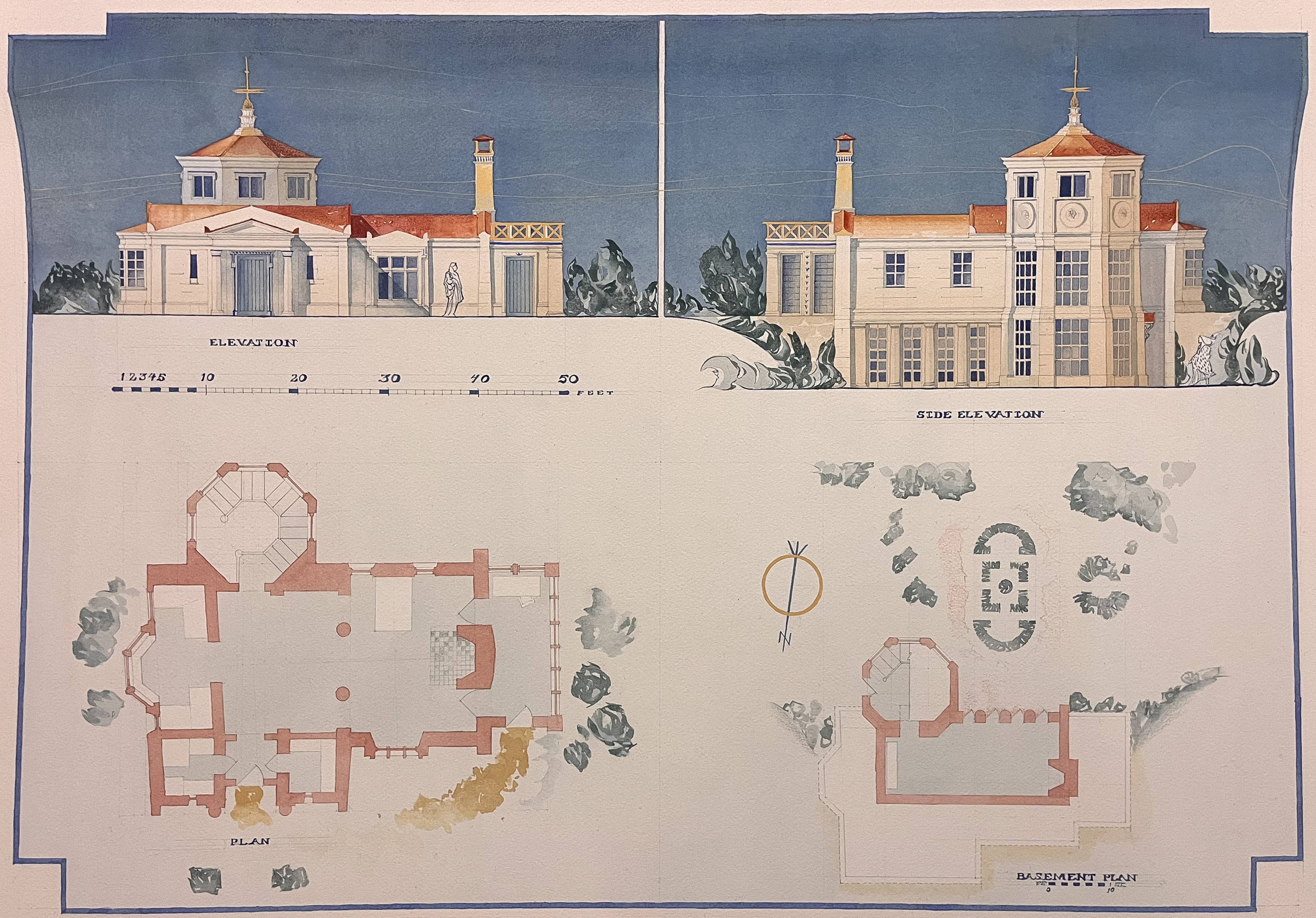
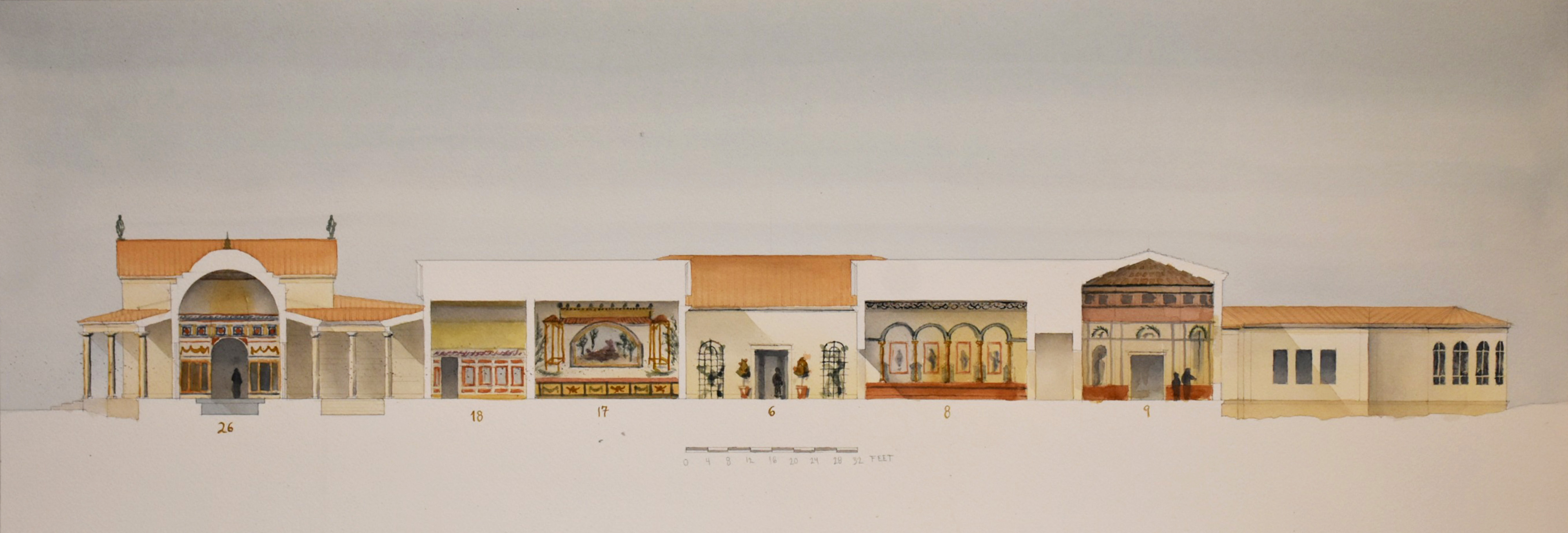
The Architecture Program at Benedictine College offers a pre-professional Bachelor of Arts degree that forms the foundation for graduate study, licensure, and lifelong engagement with timeless expressions of design for the built world. Rooted in the liberal arts and the Catholic intellectual tradition, our program prepares students to re-create in the future by recovering the enduring lessons of the past.
Summer Intensive in Classical Architecture

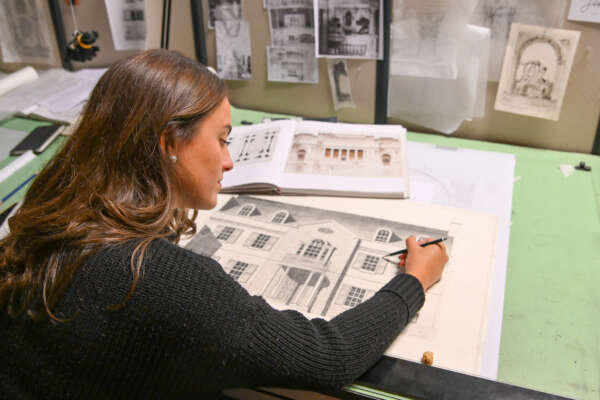
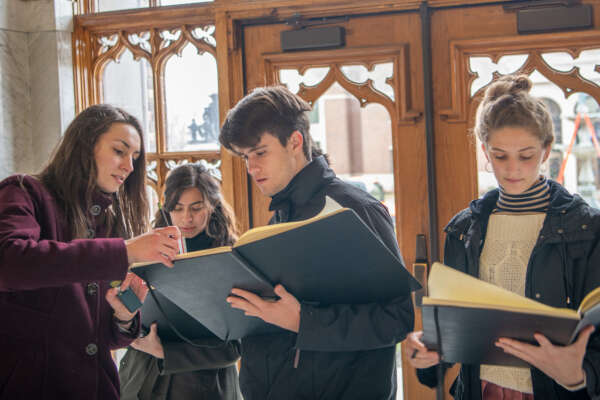
This summer, we are excited to offer a 2-Week Intensive in Classical Architecture. In July 2026, experience the energy of our unique design approach under the personal instruction of the Program Director.

Mission & Program Overview

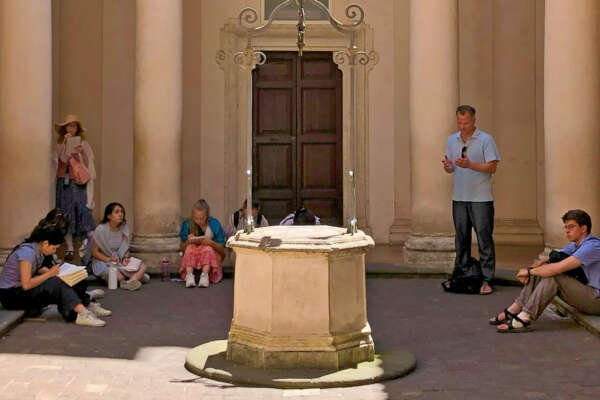
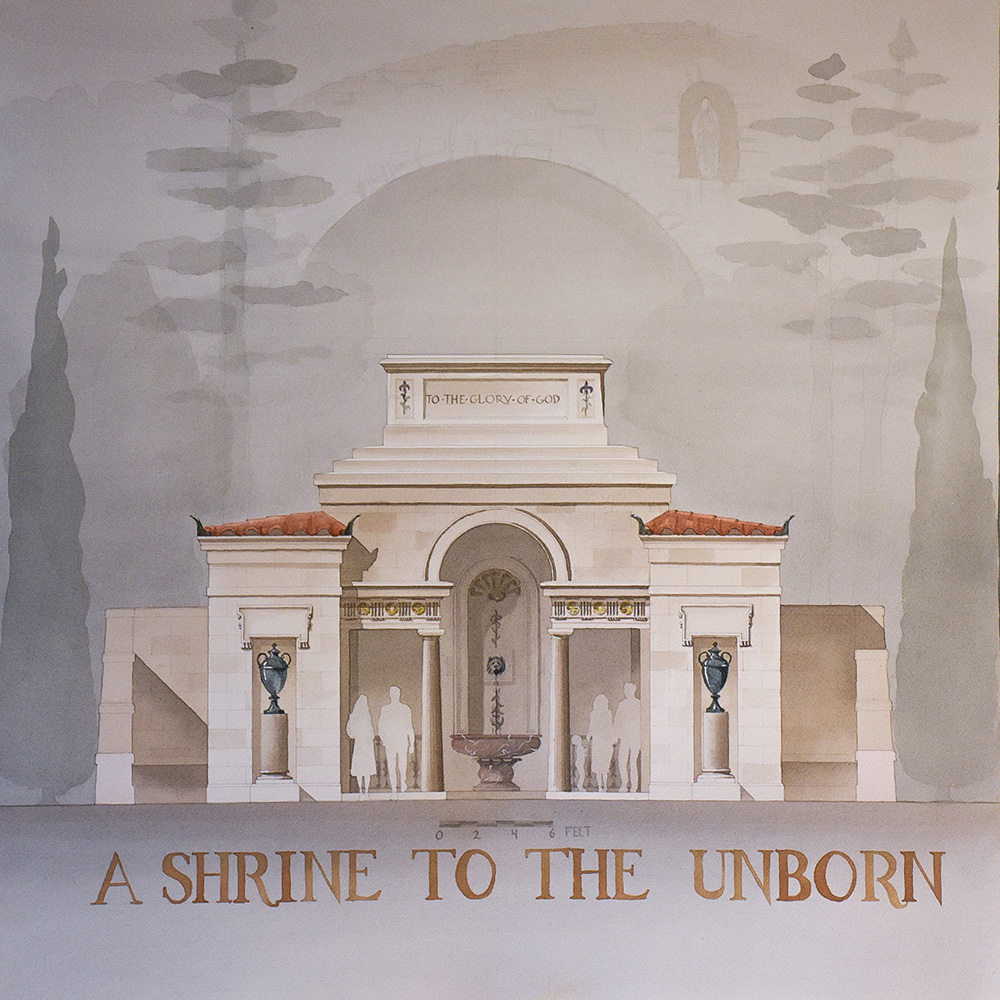
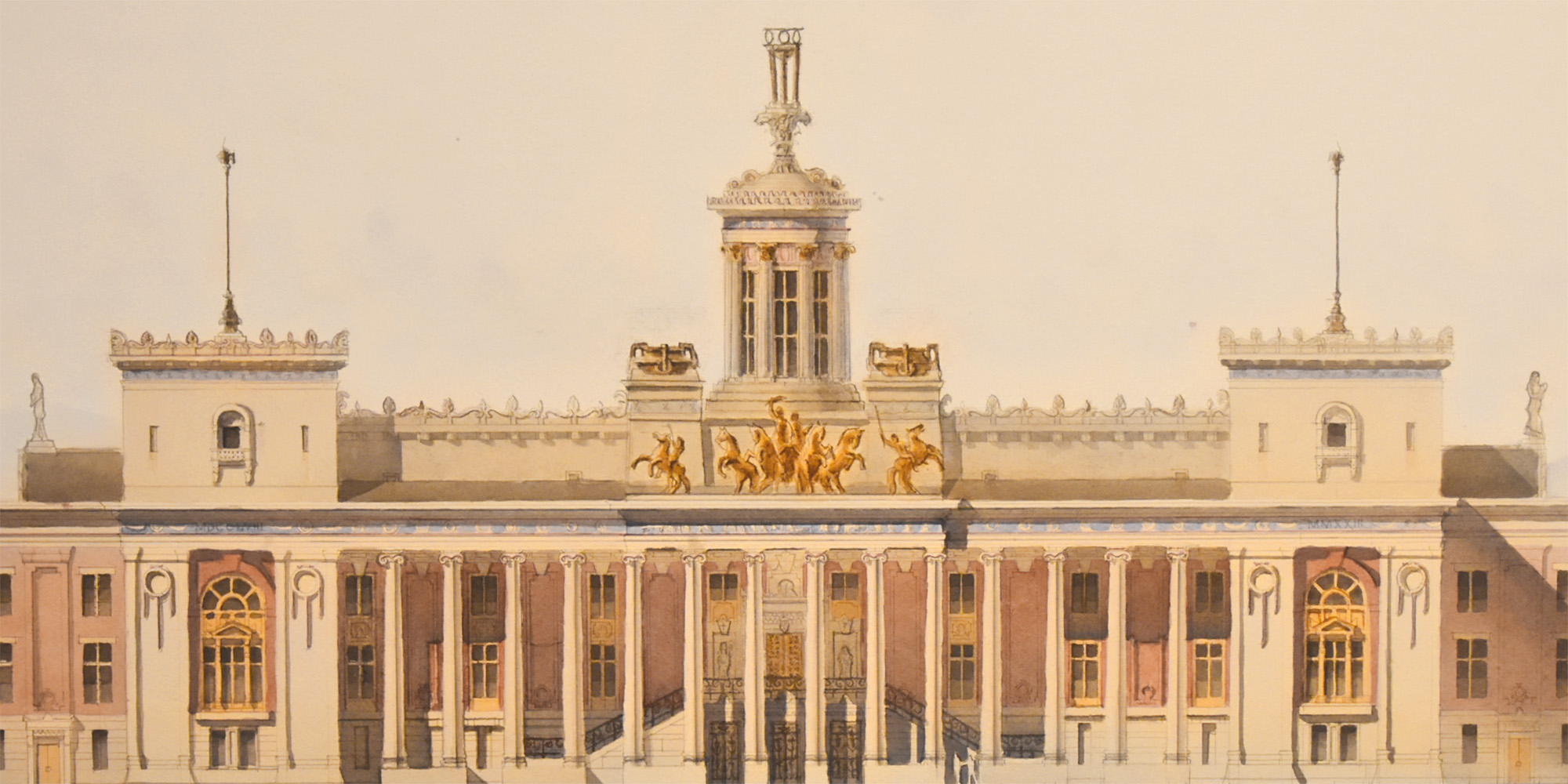
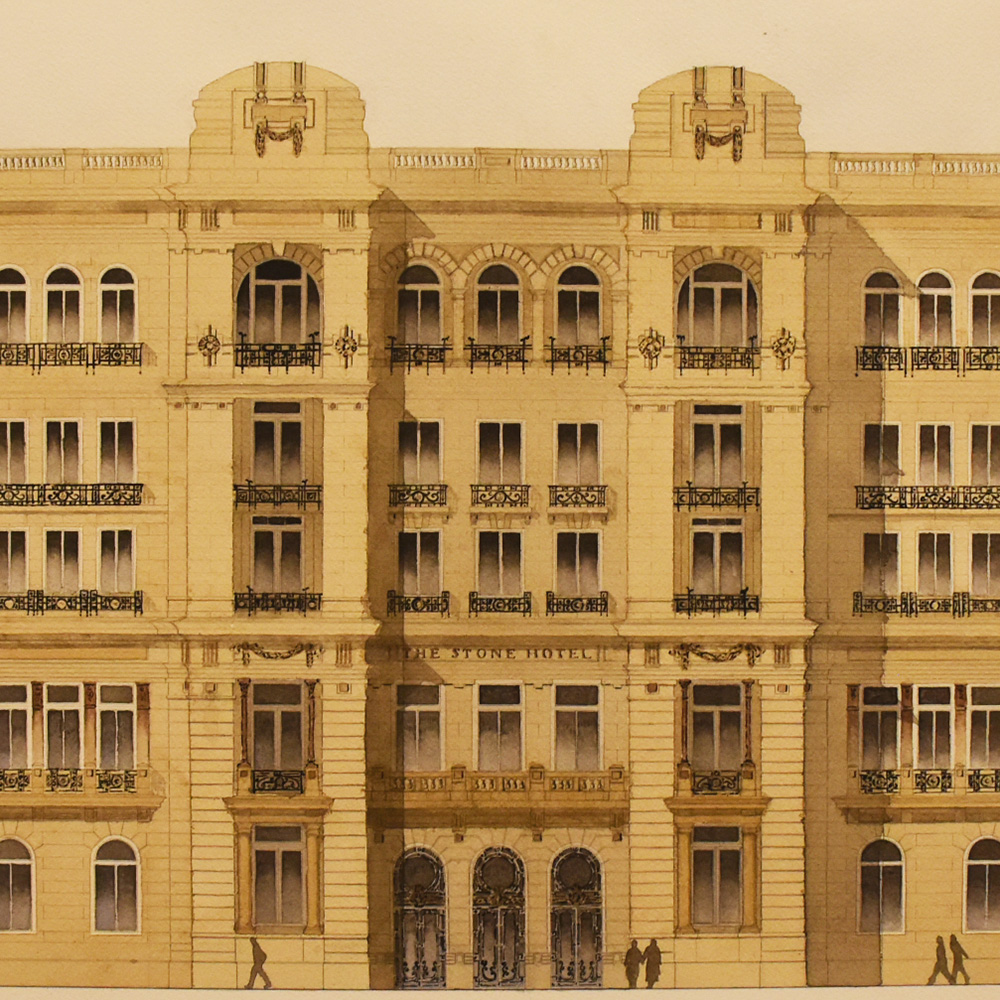
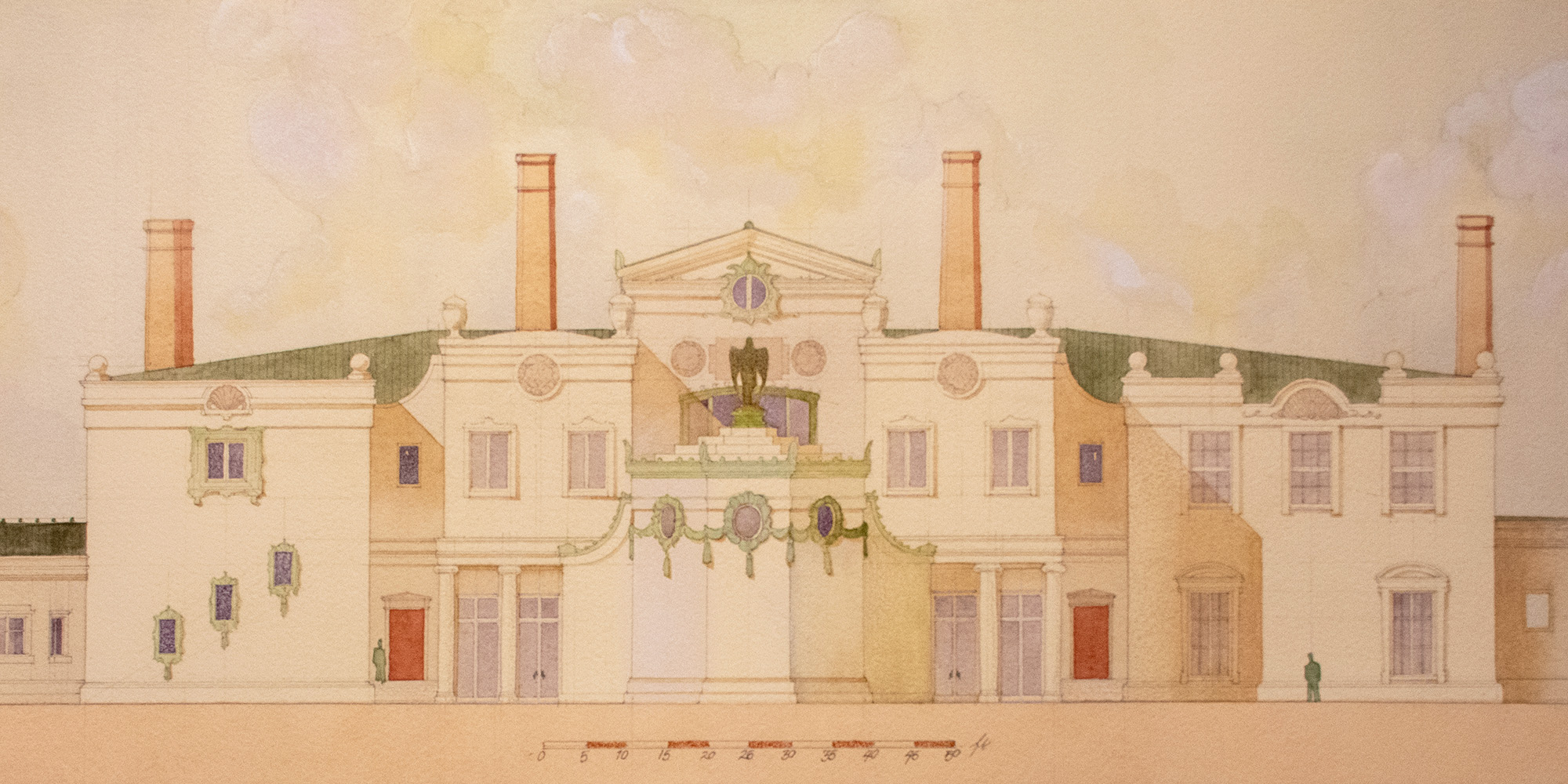
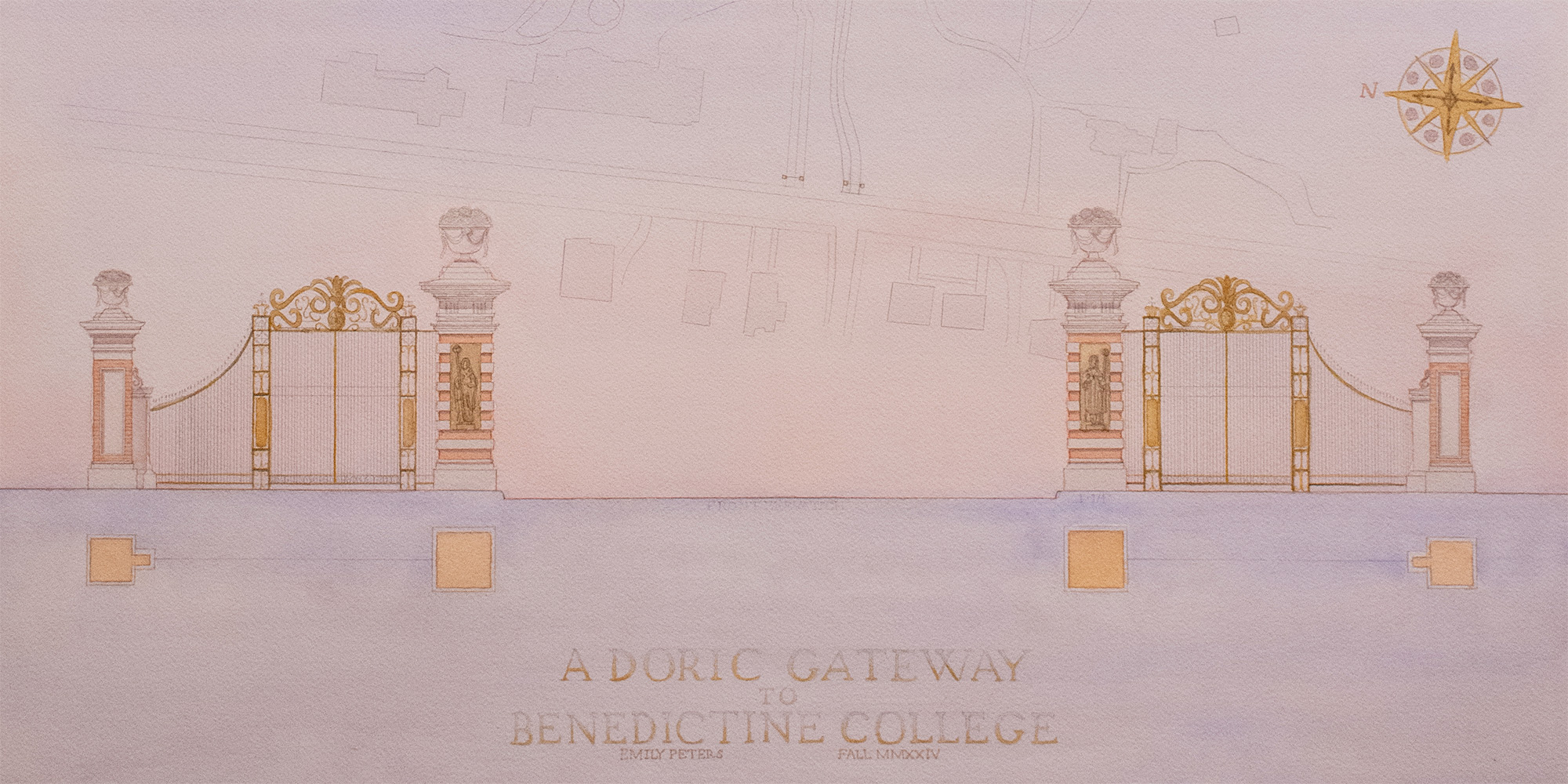
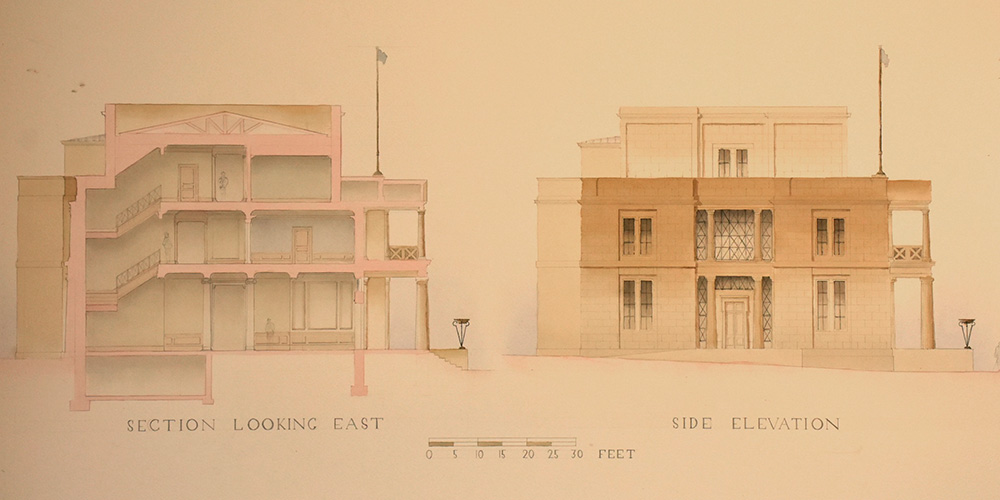
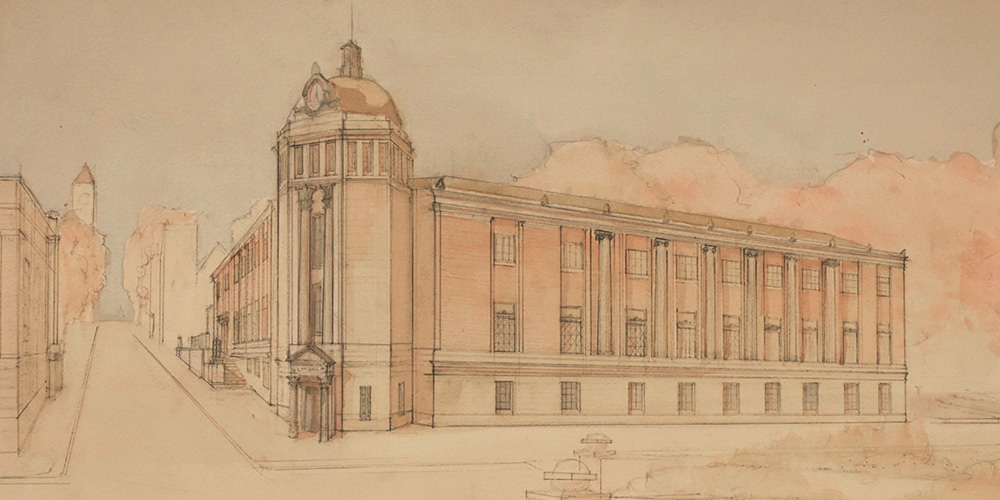
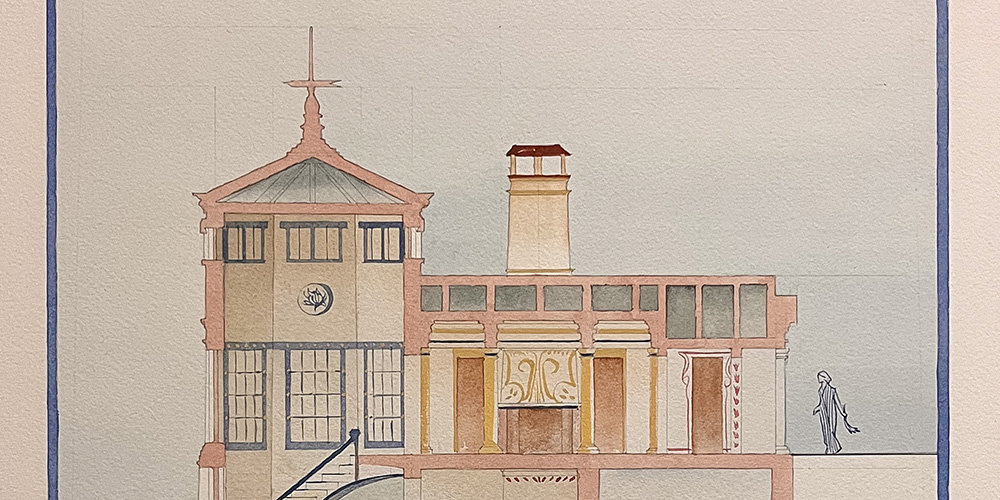
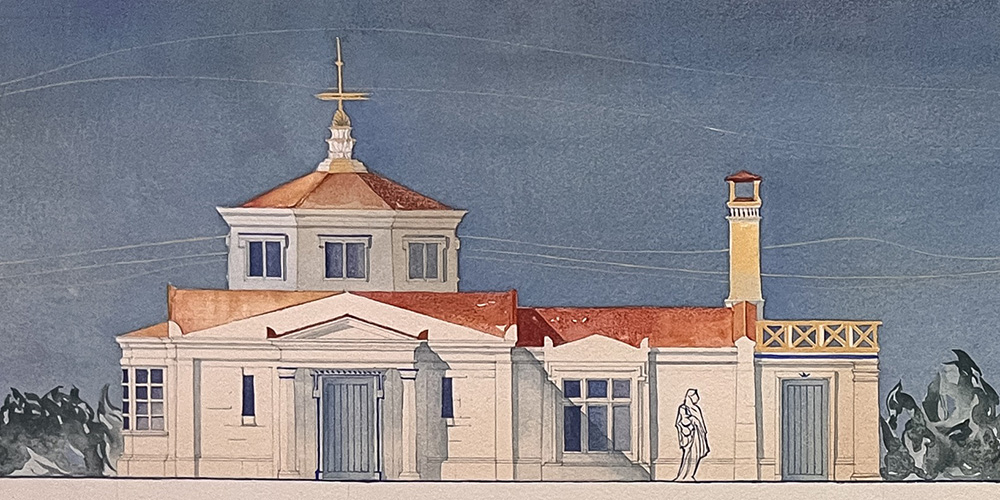
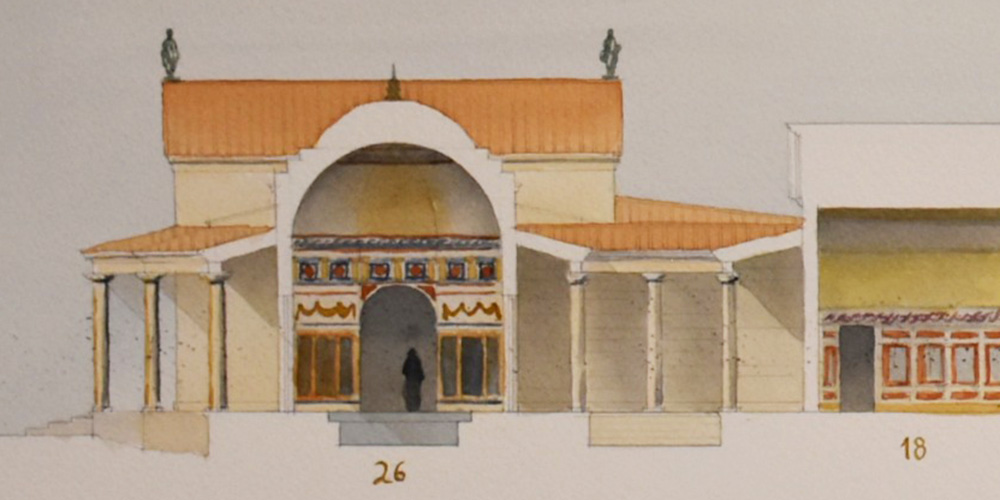
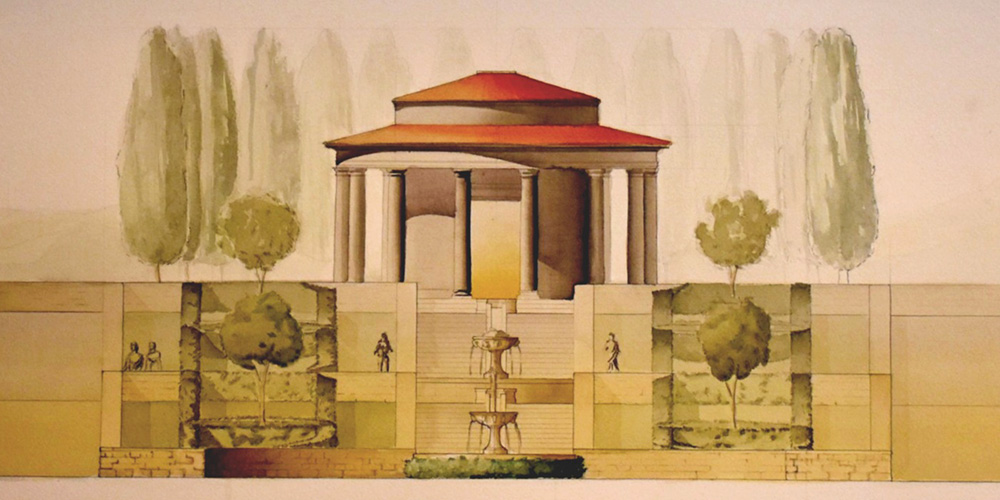
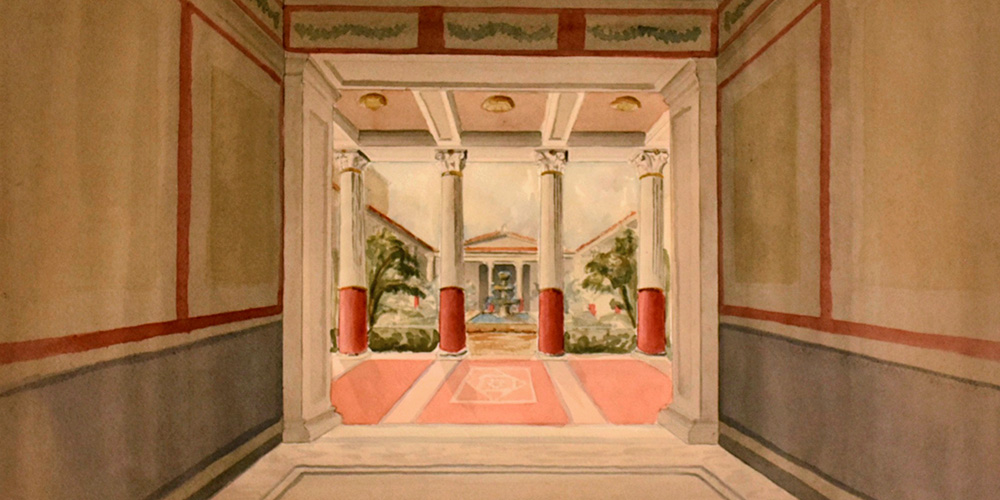
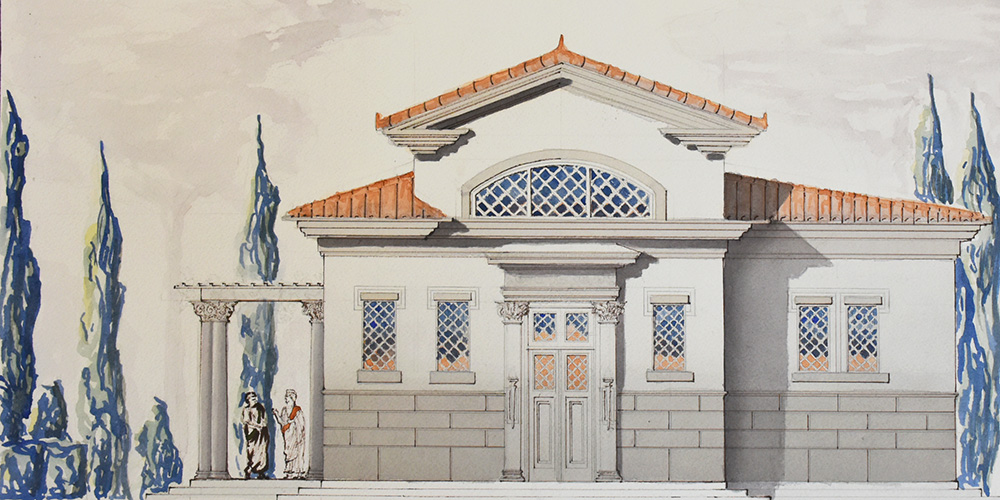
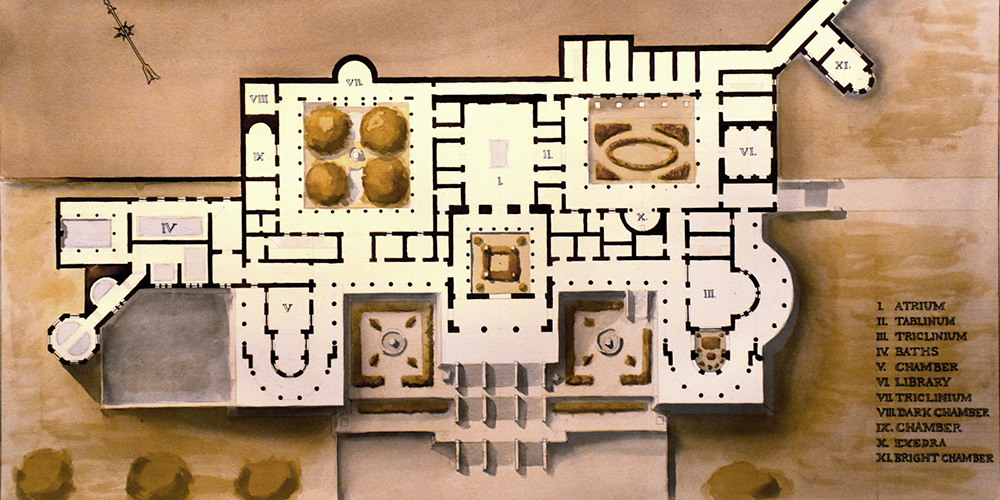
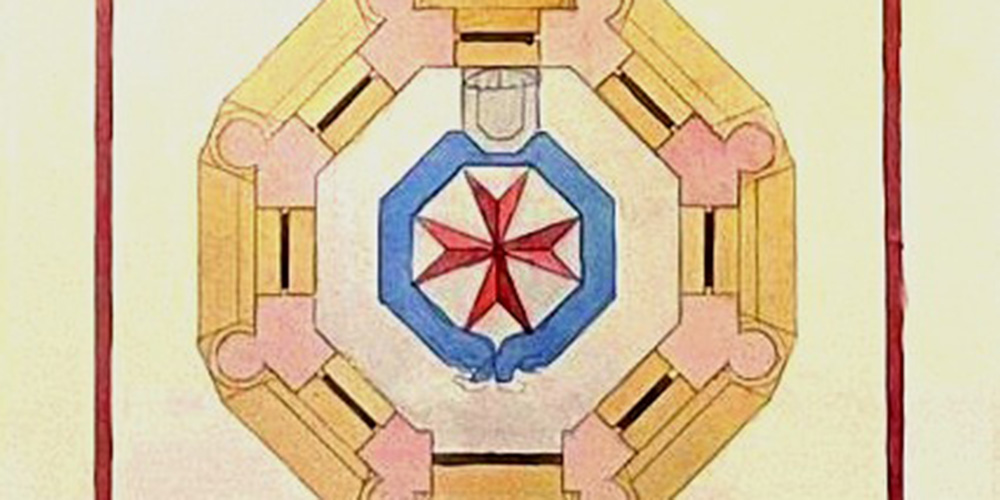
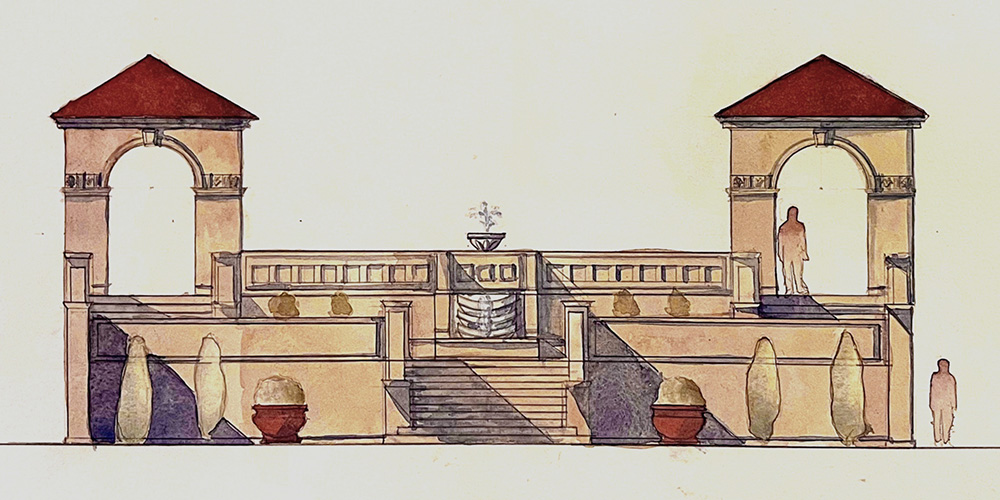
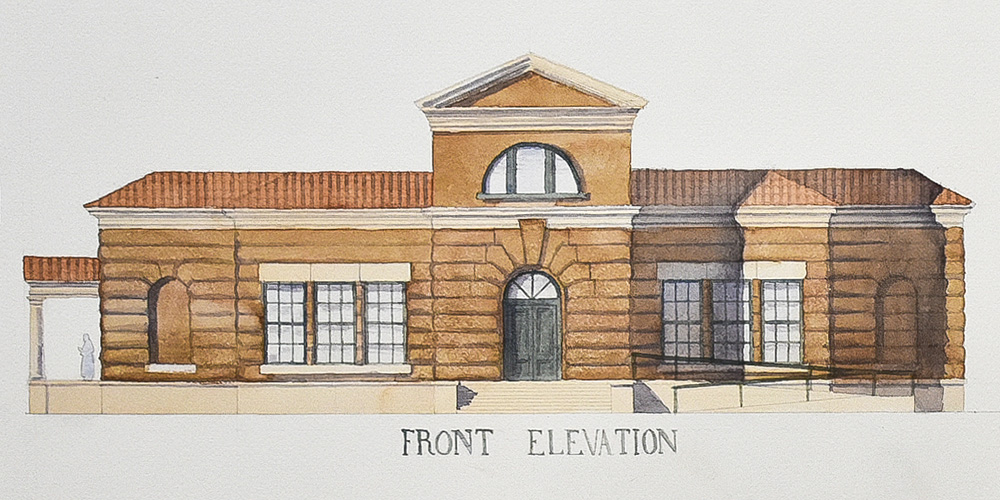
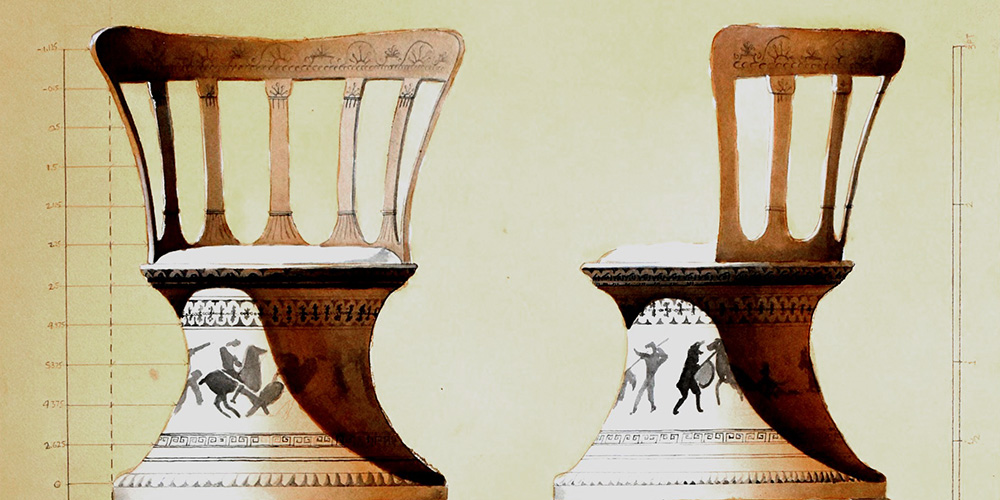
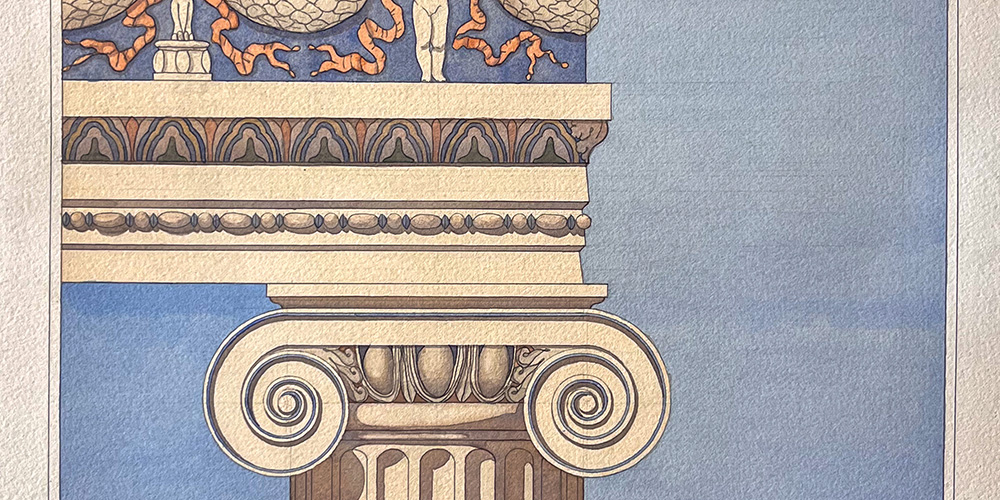
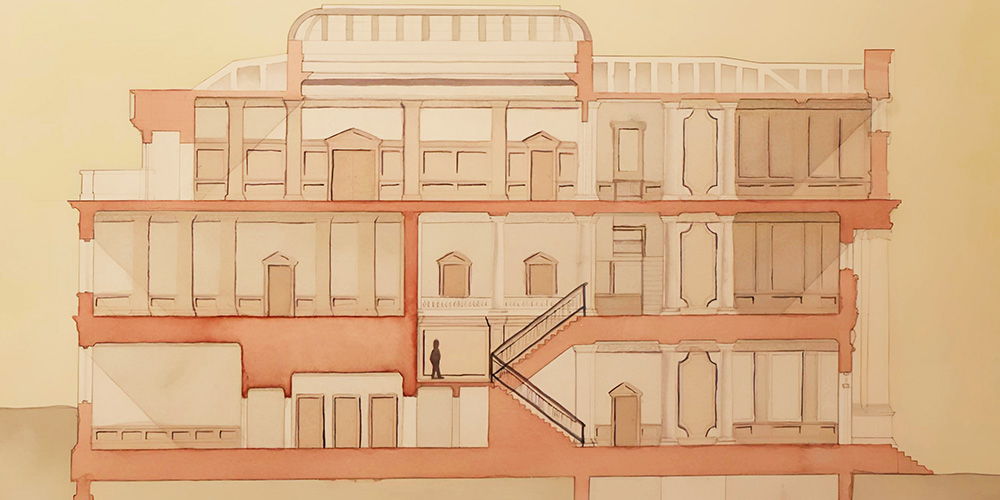
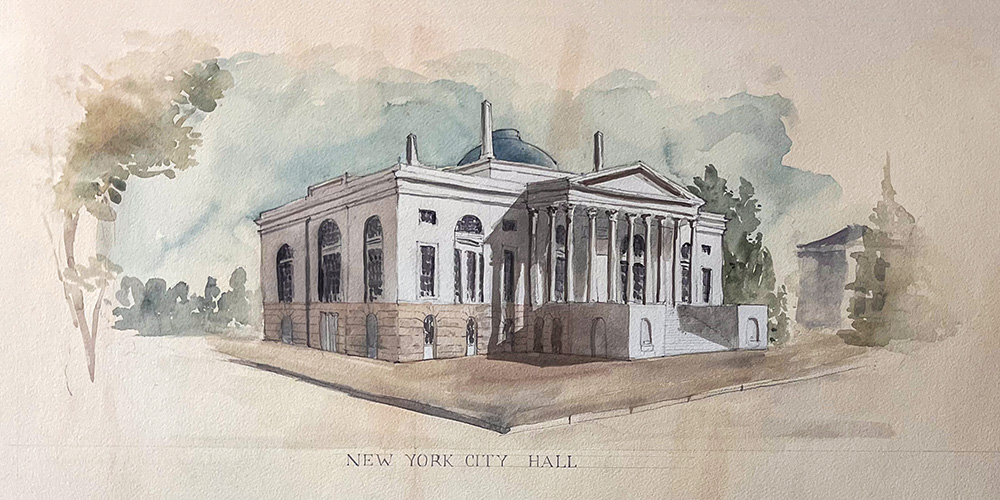
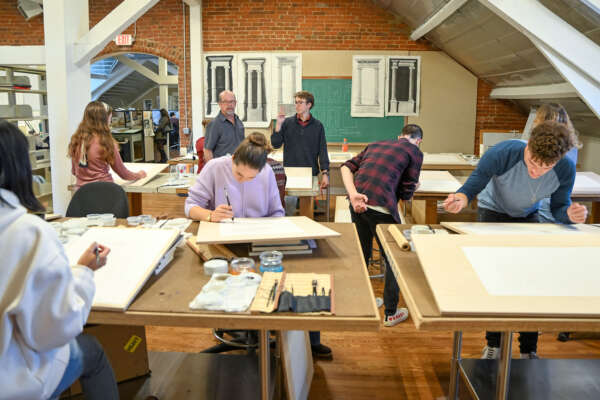
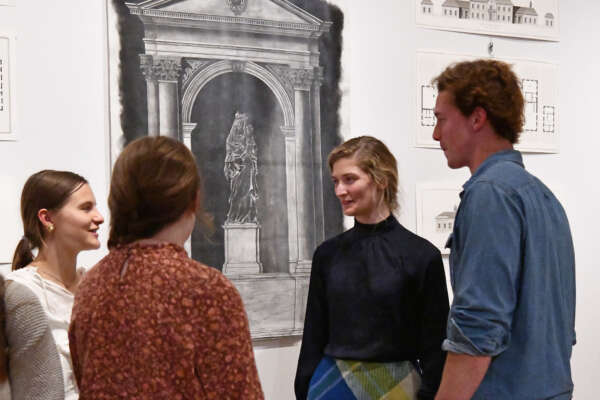
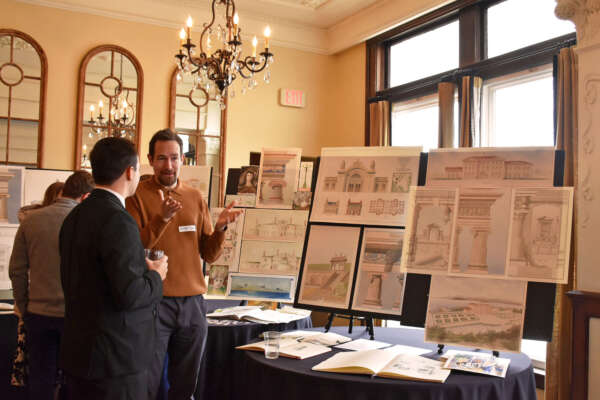
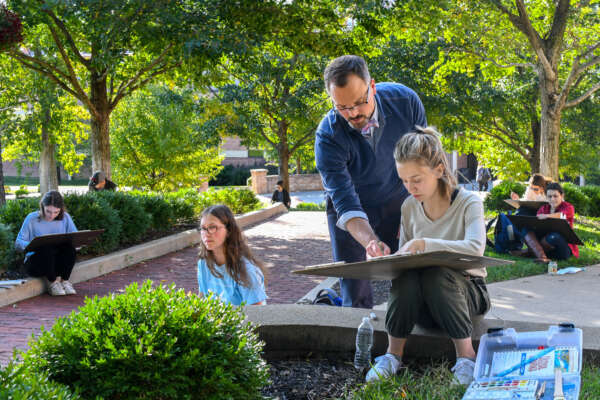
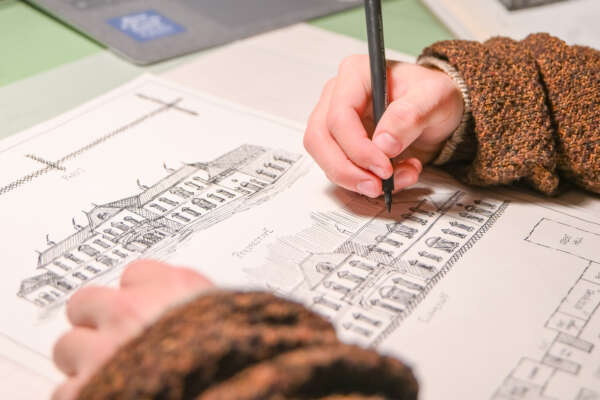
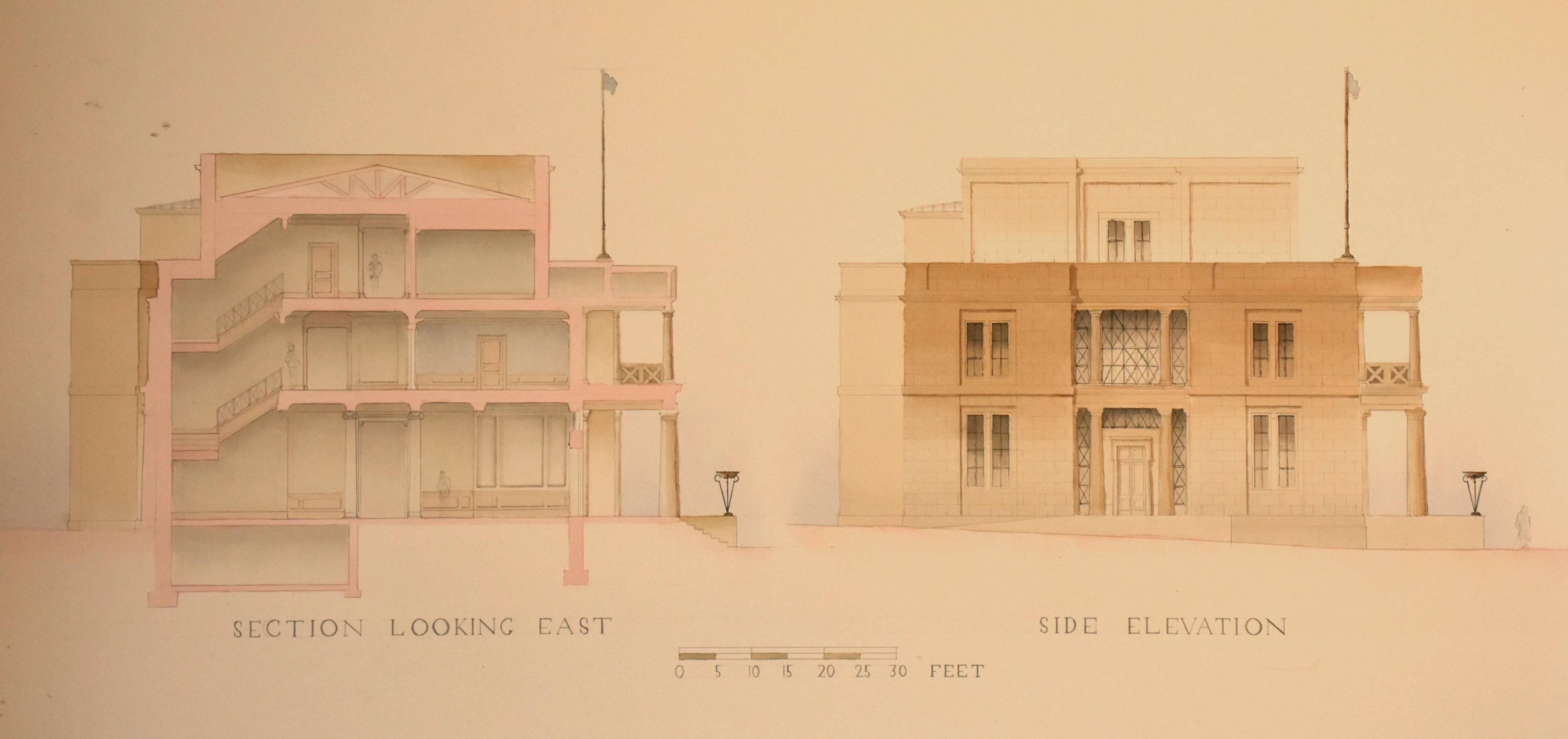
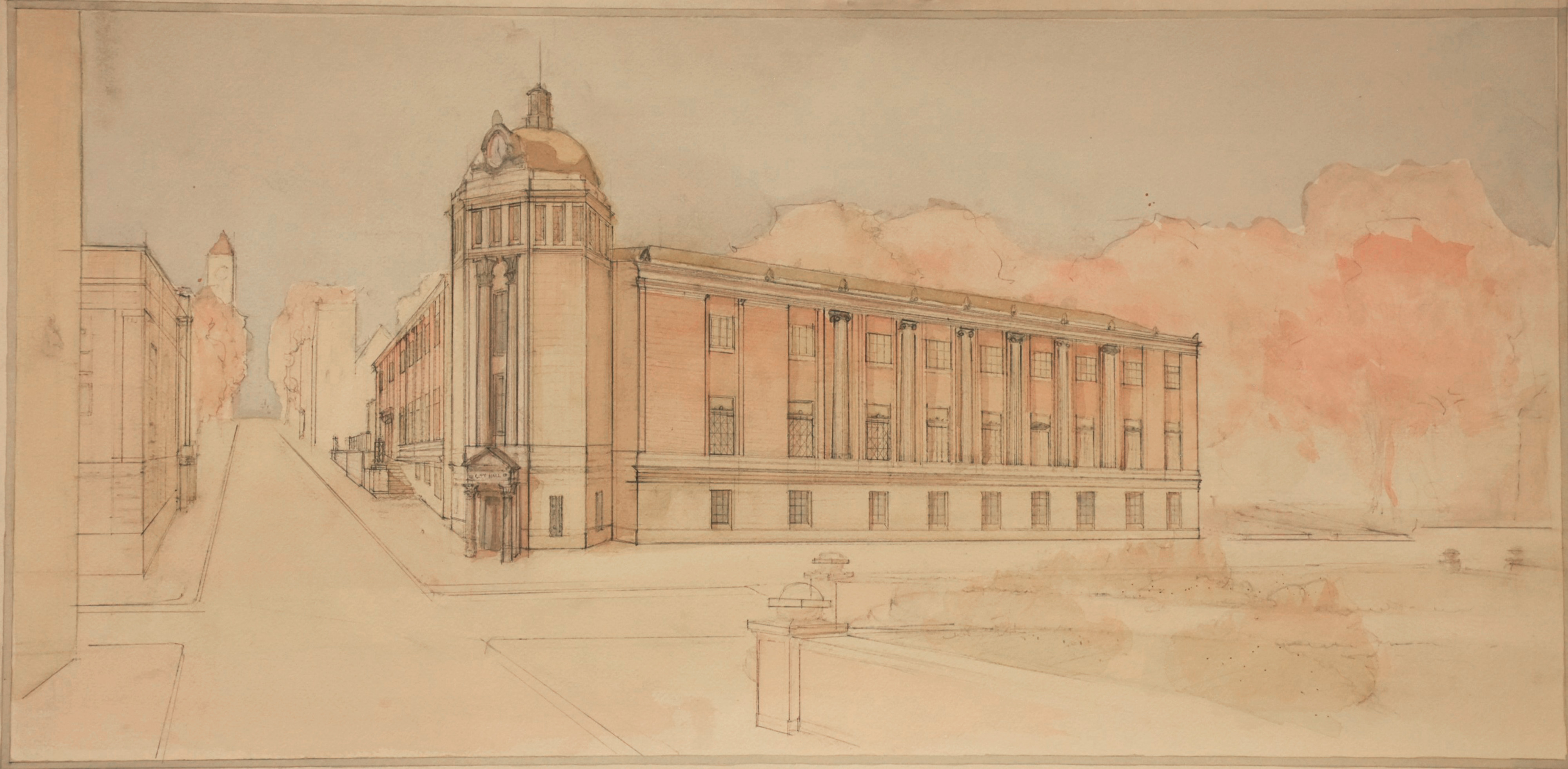
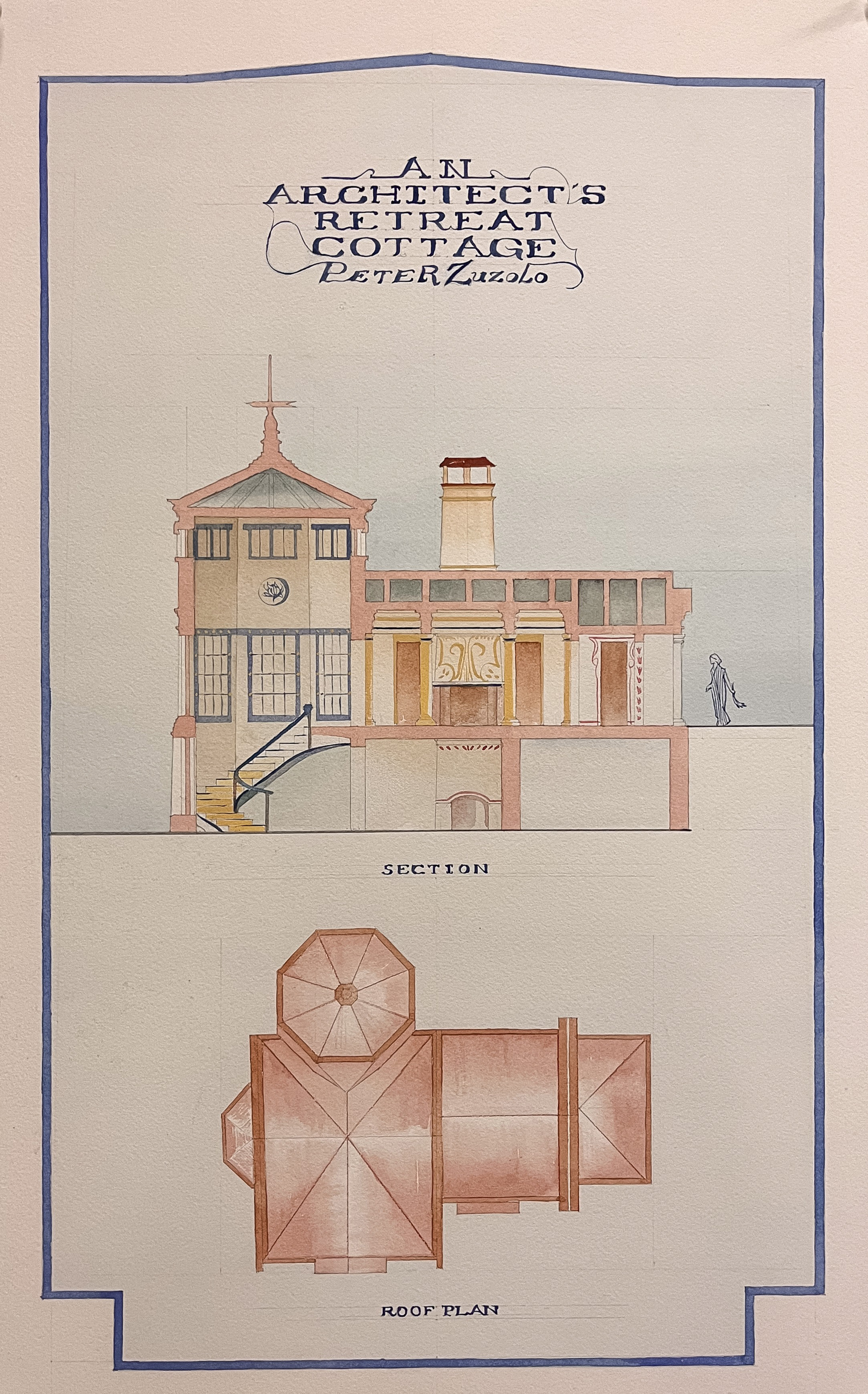
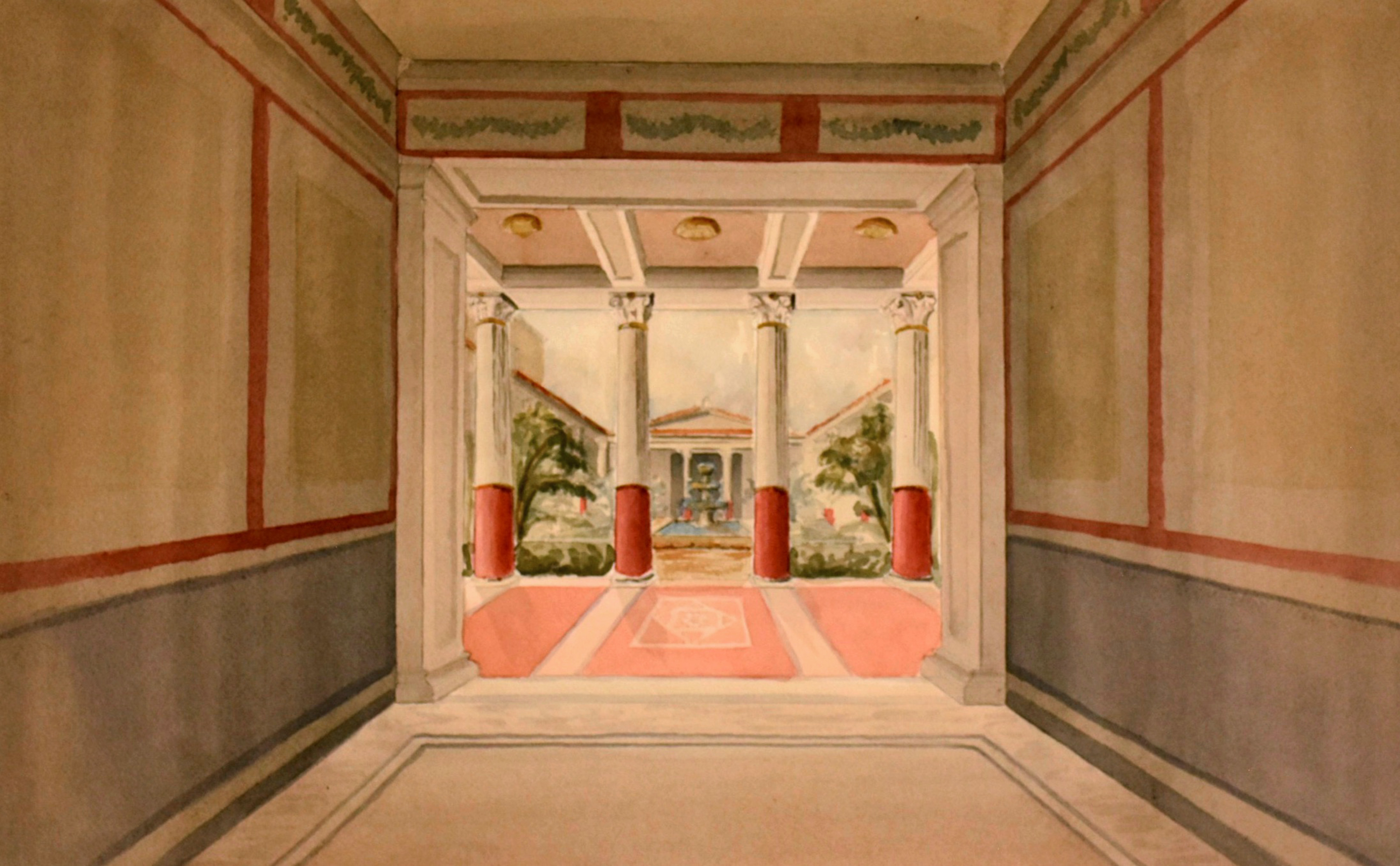
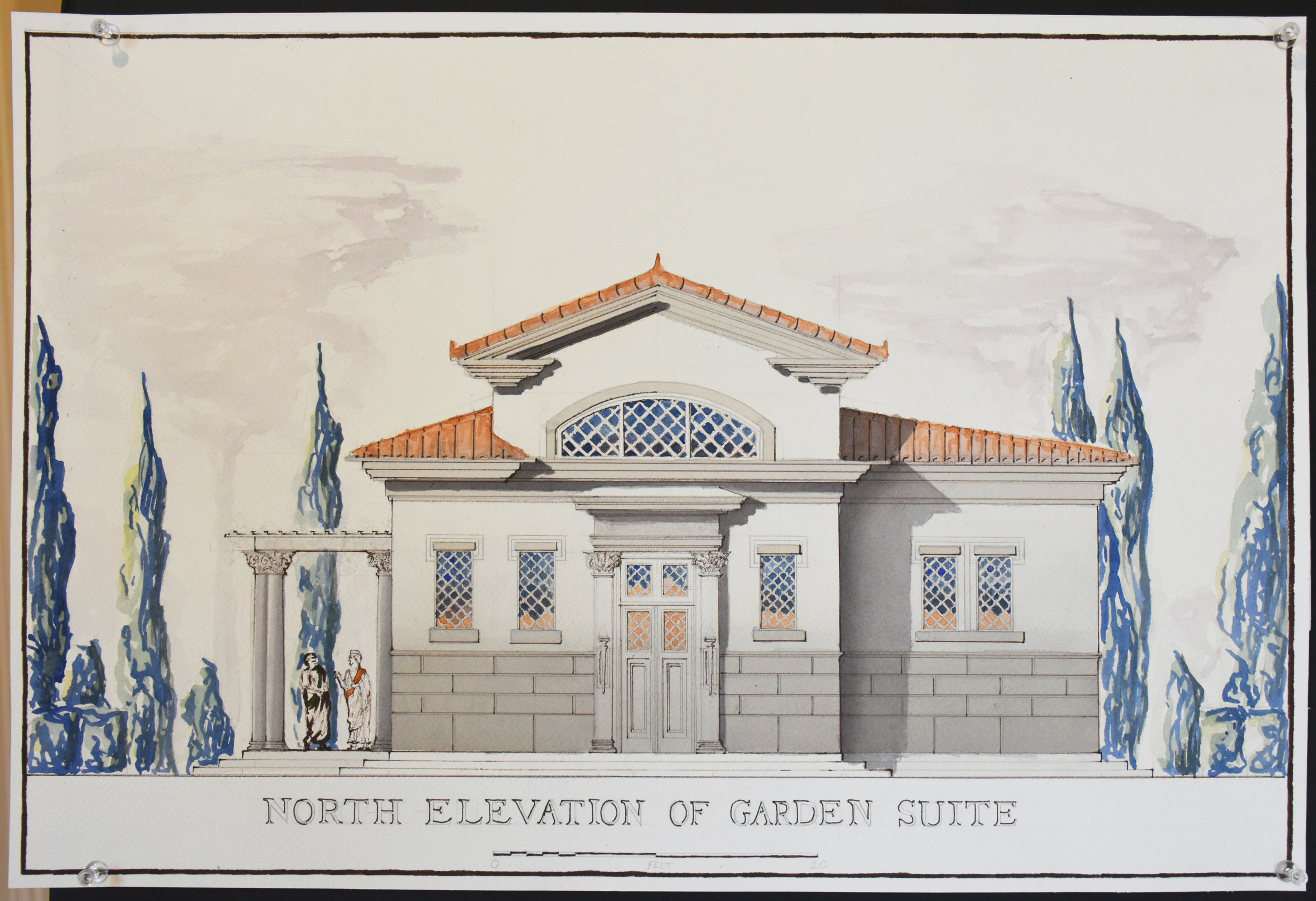
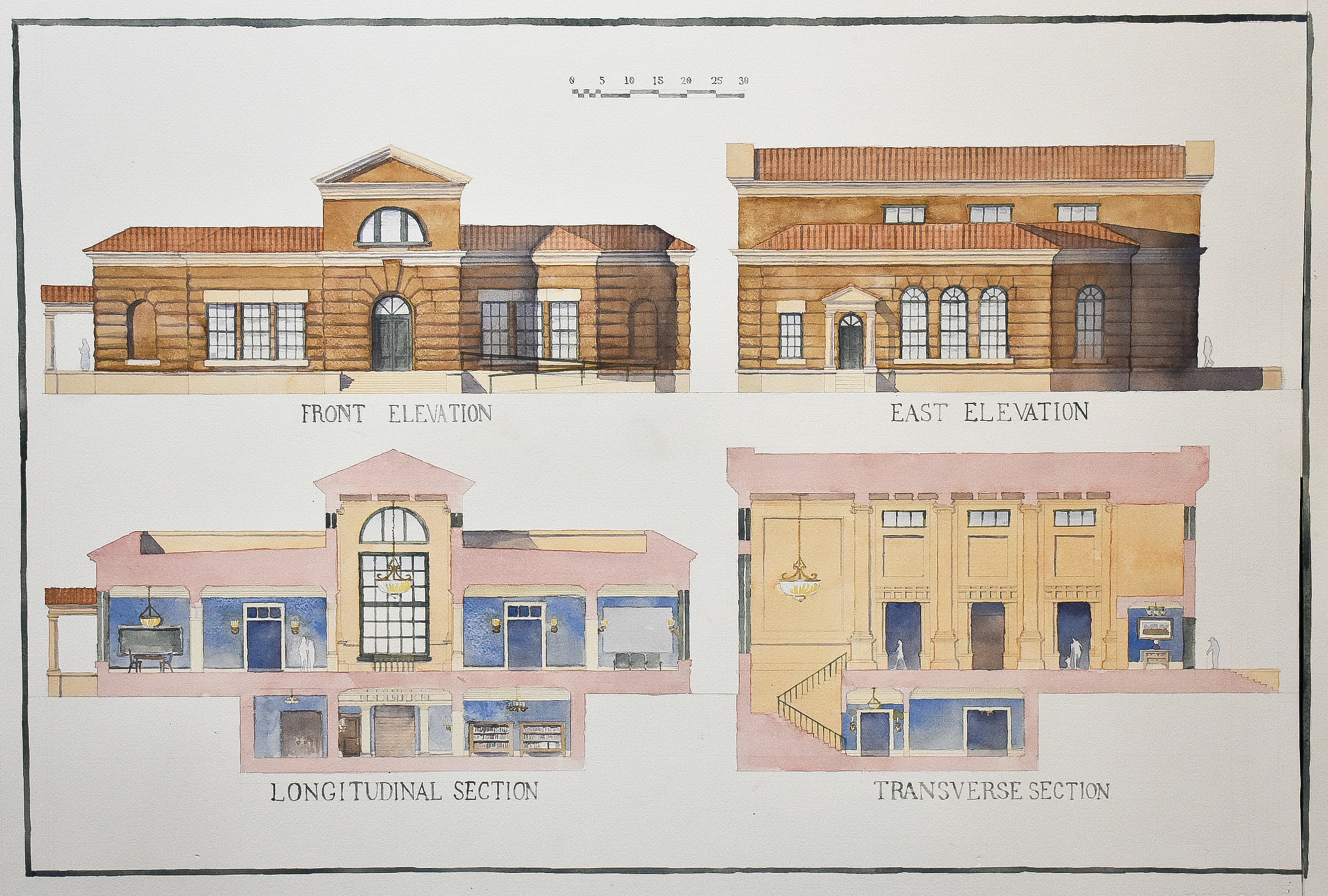
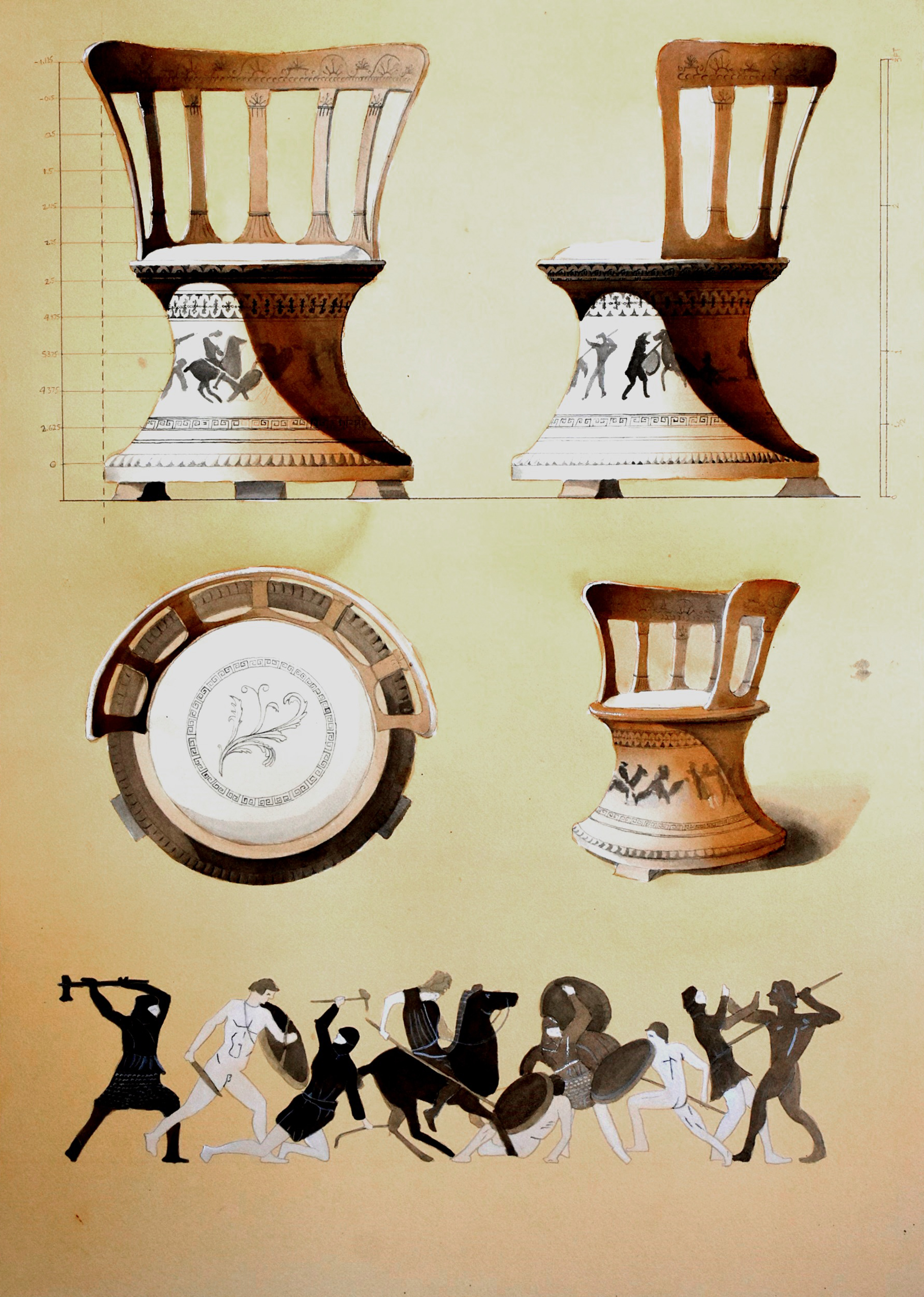
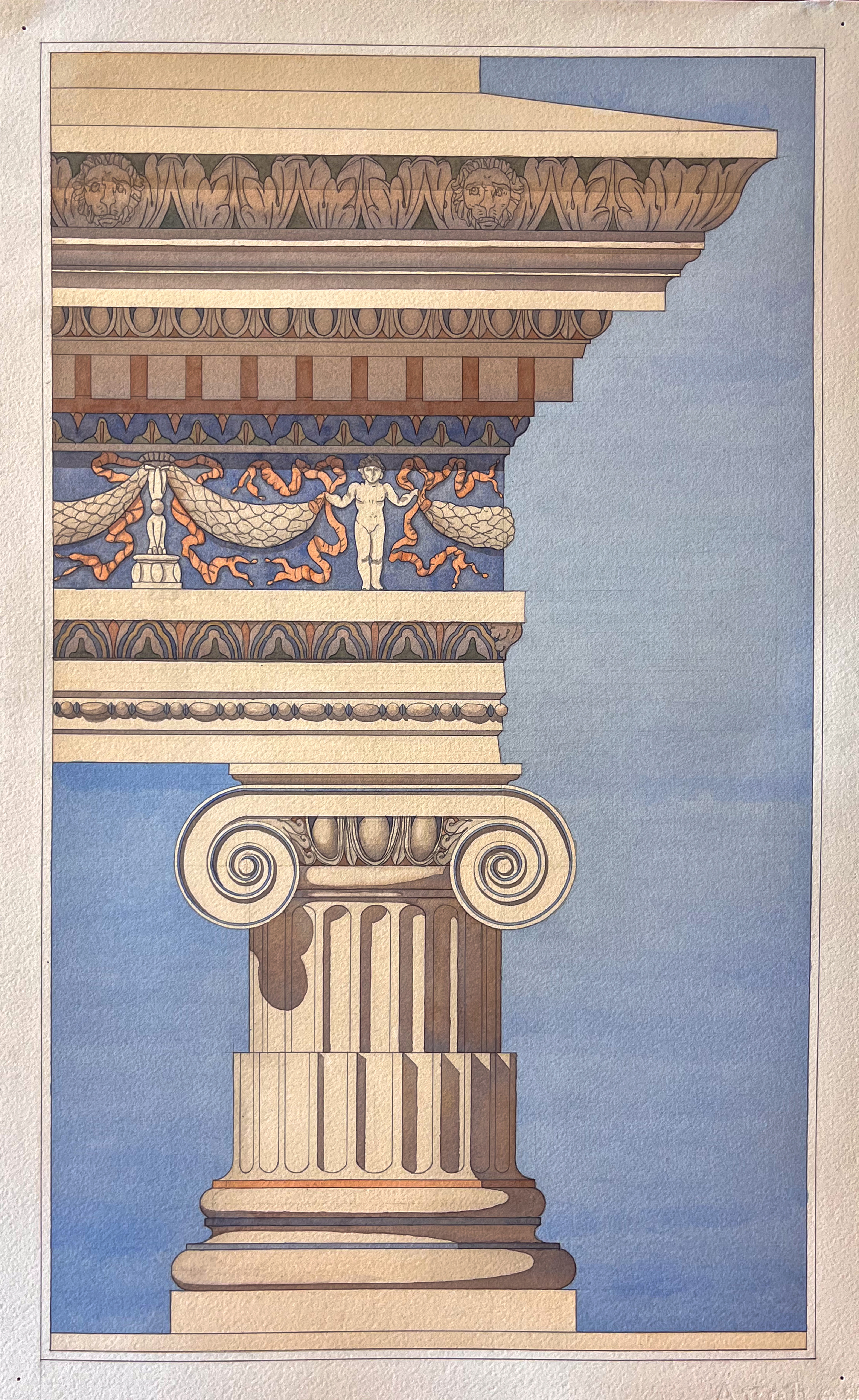
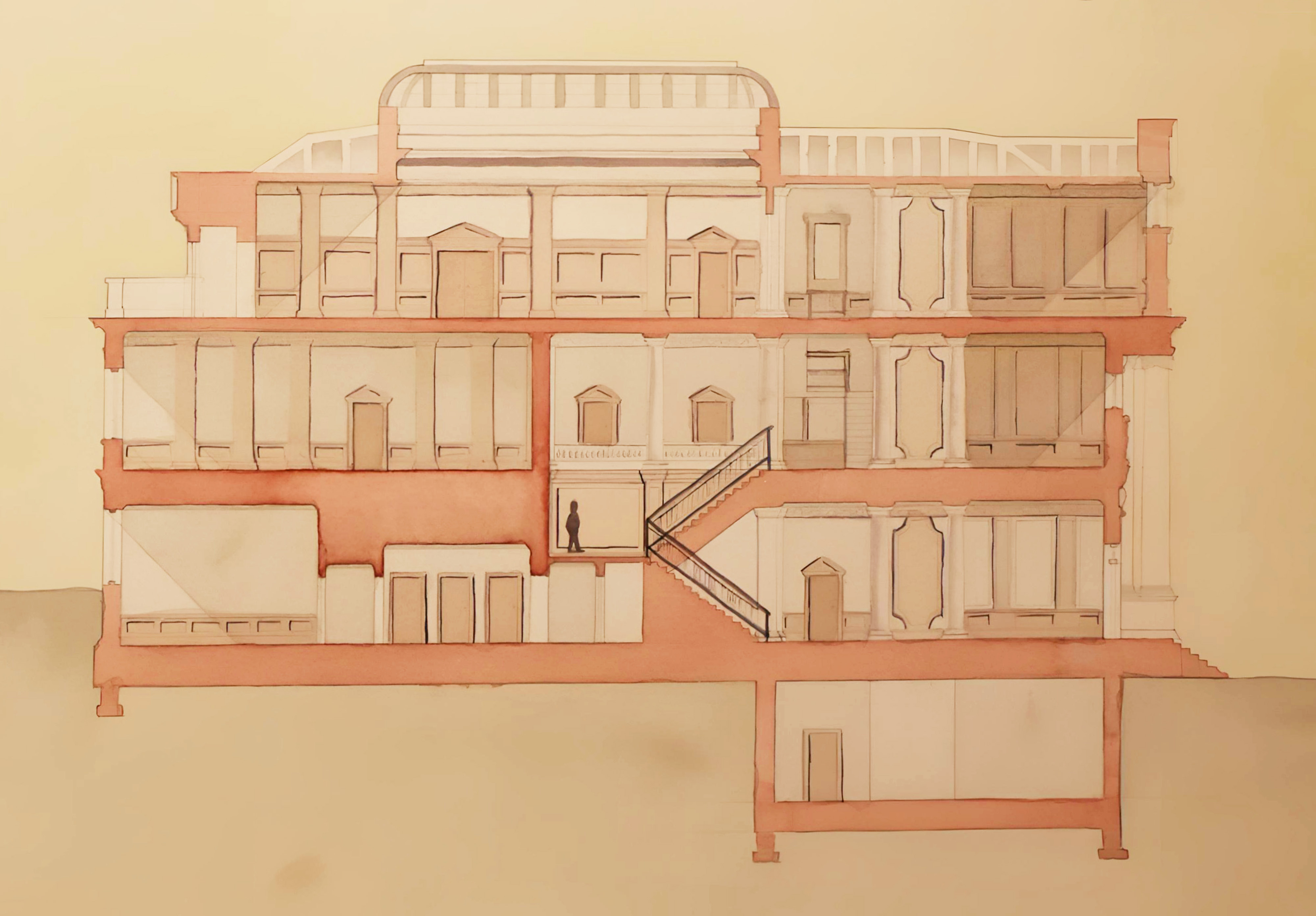
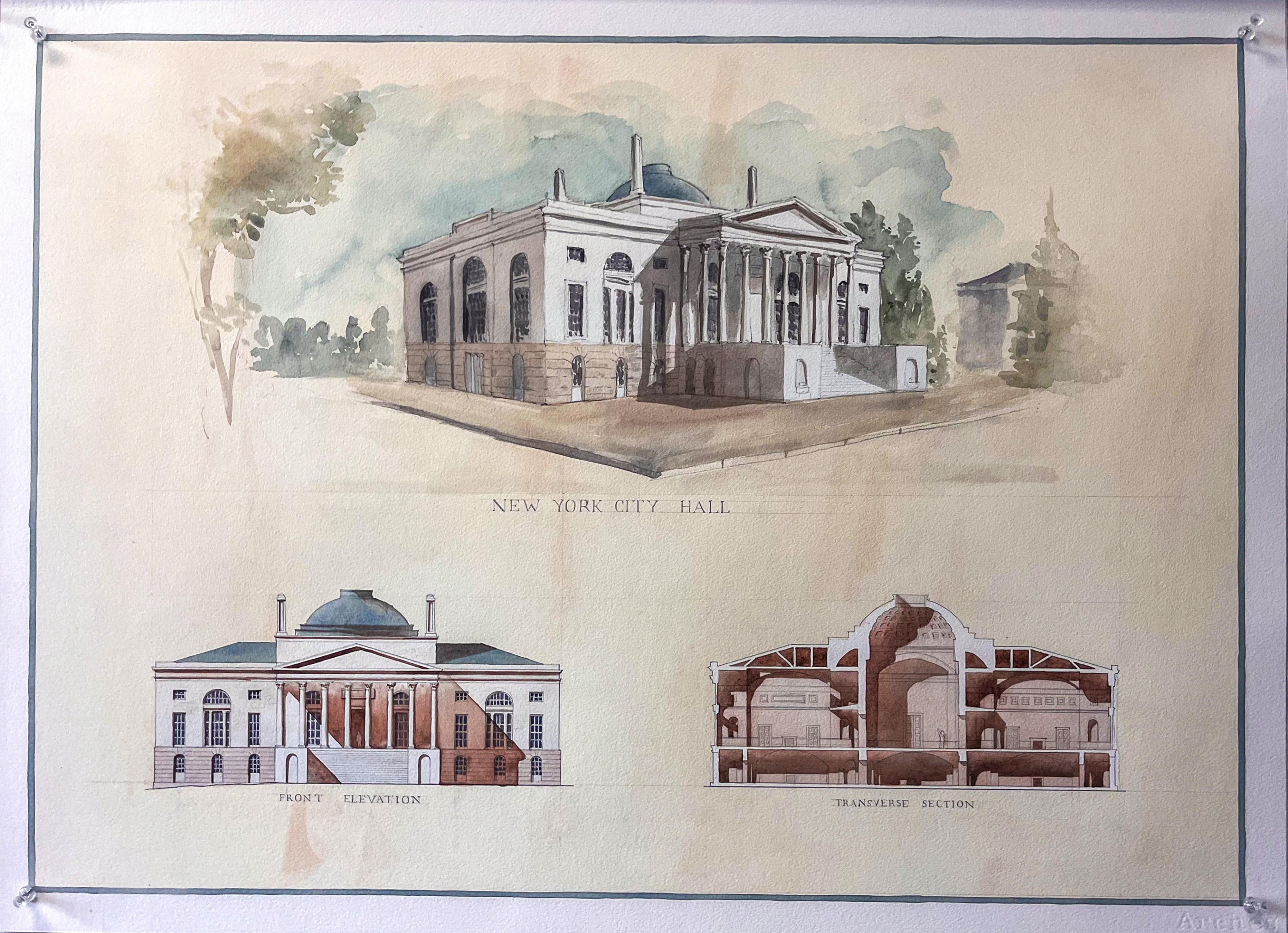
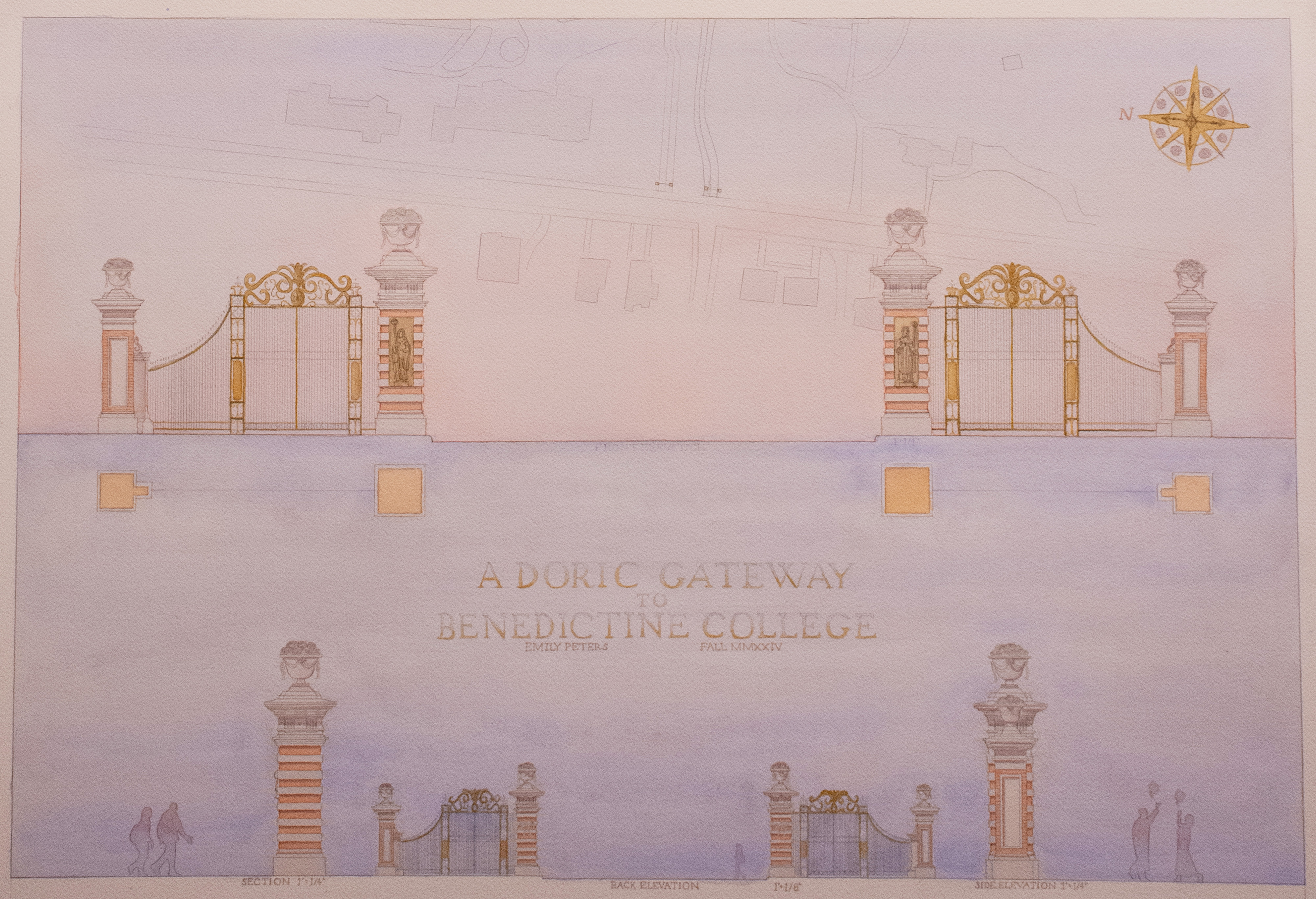
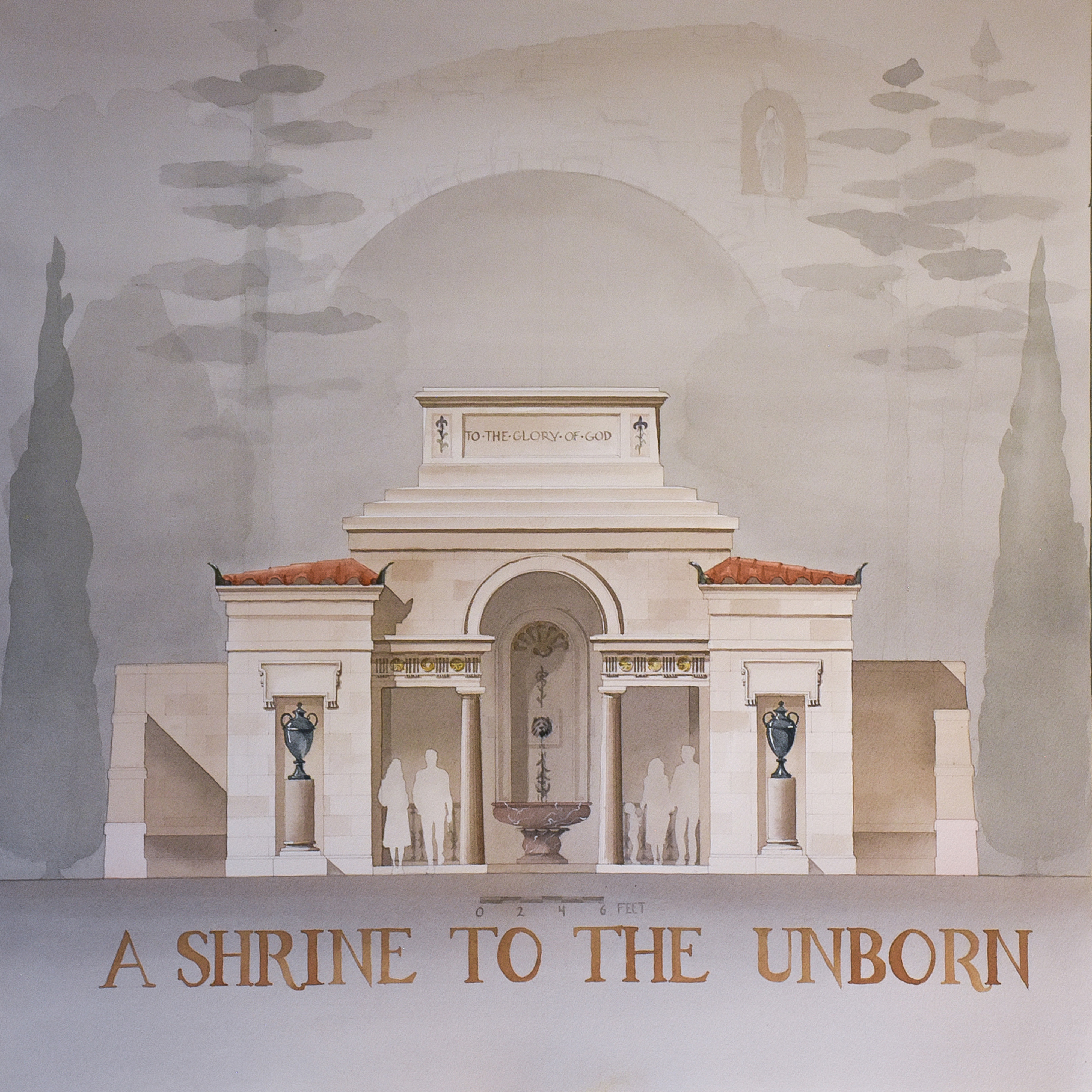
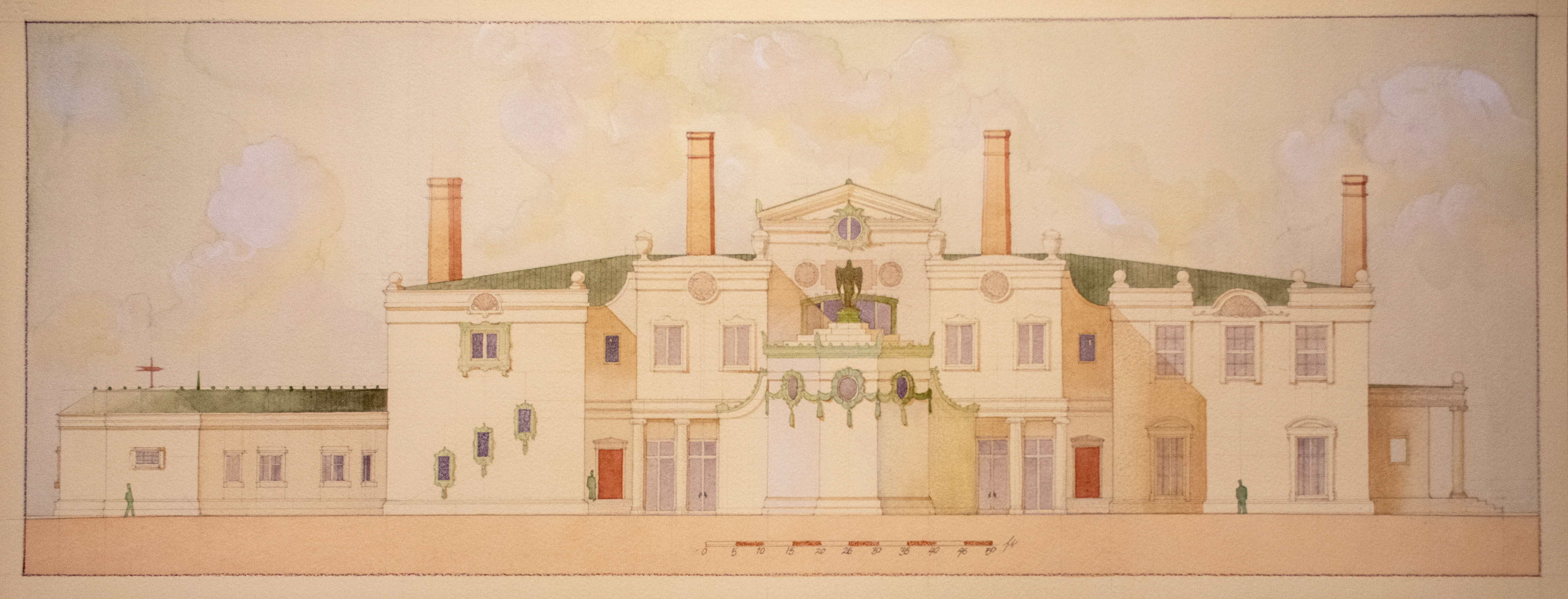
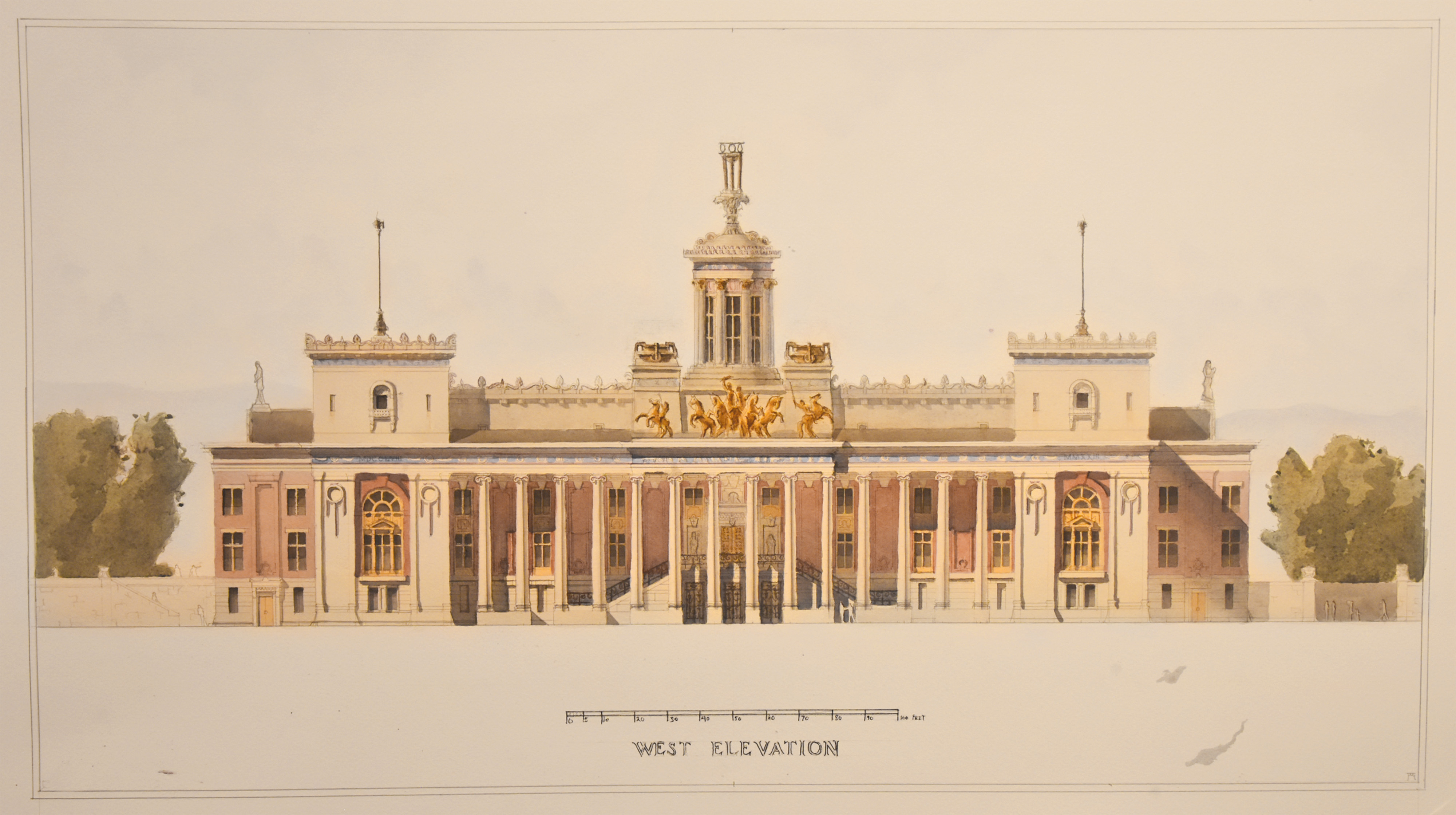
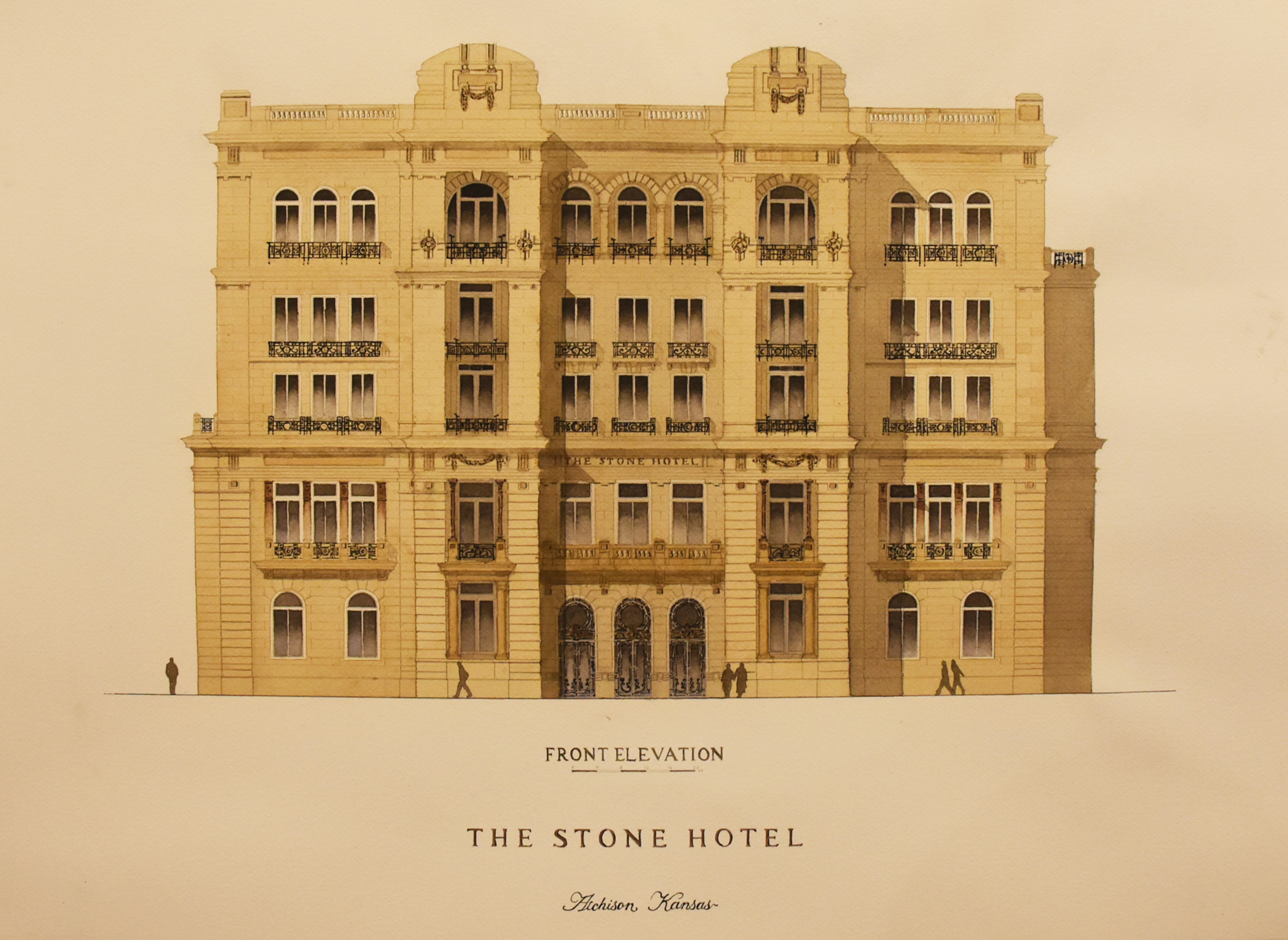
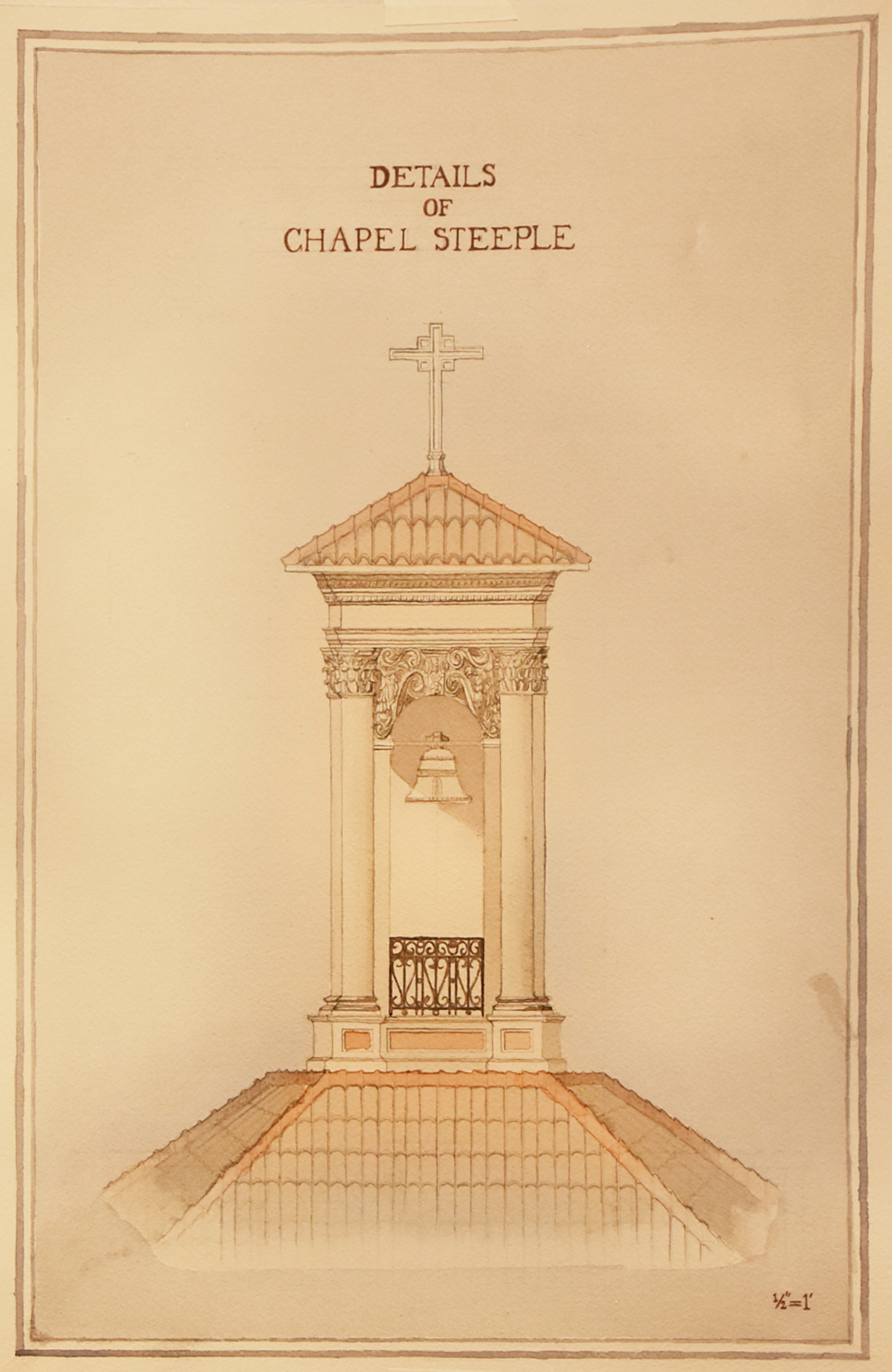
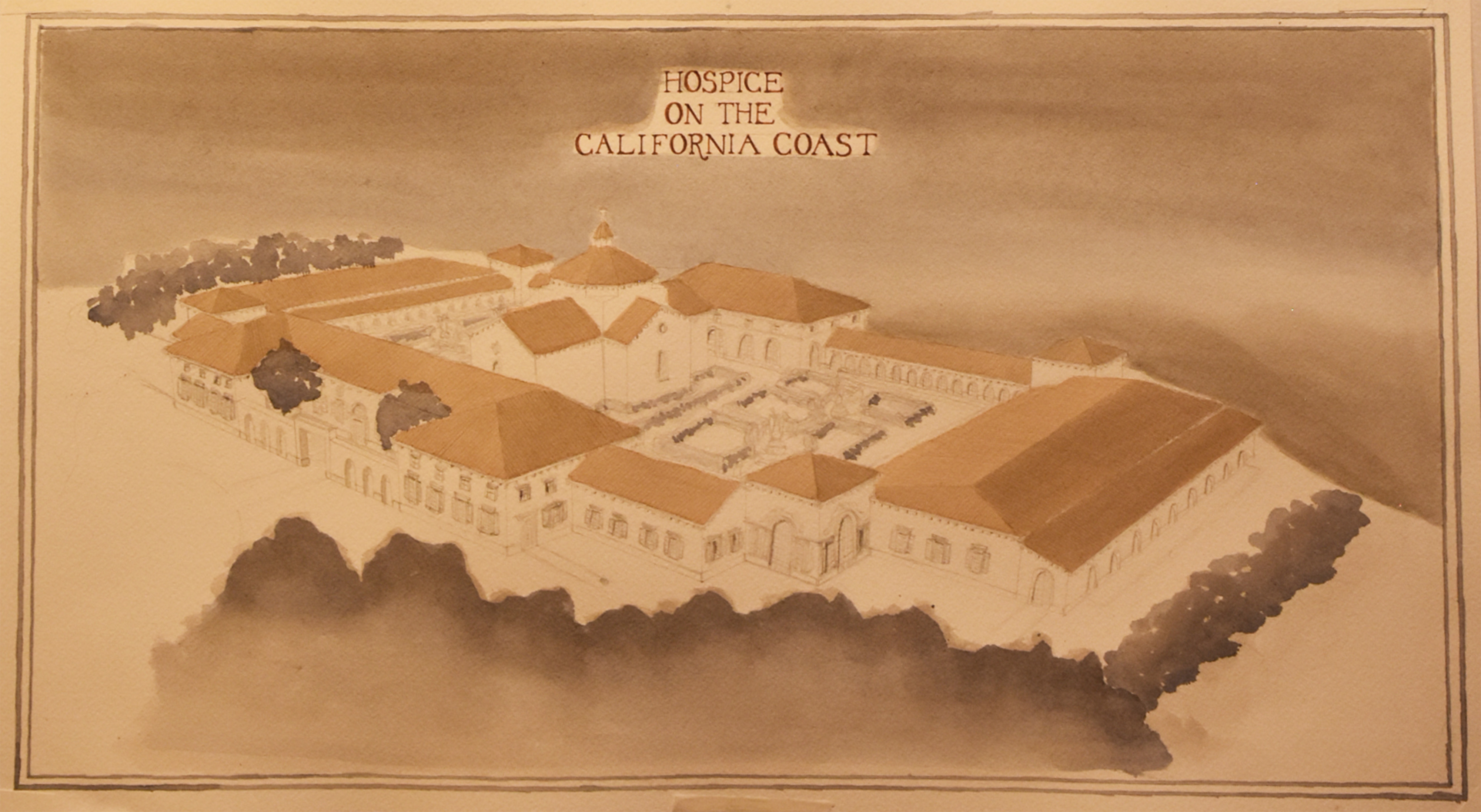
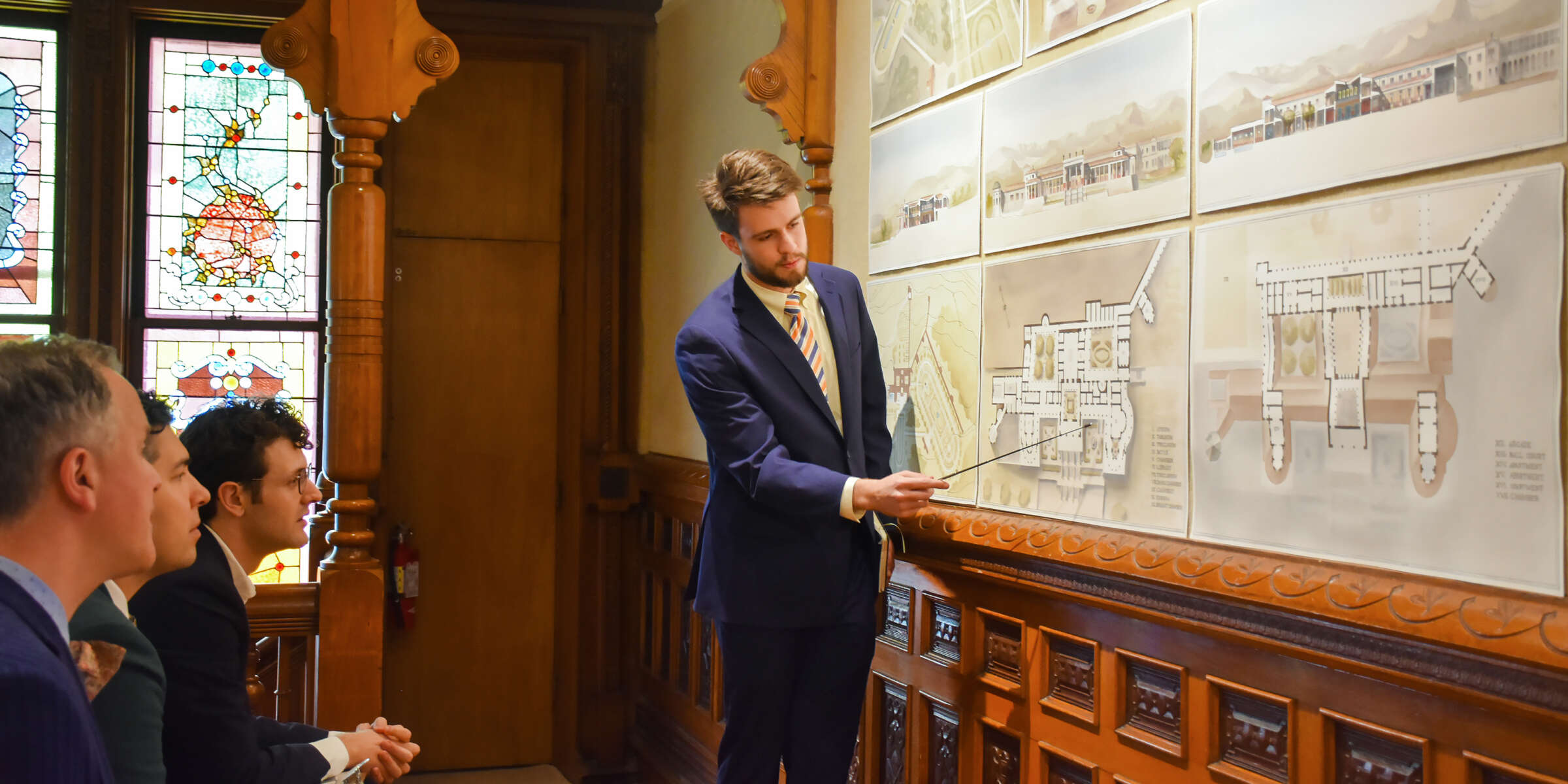
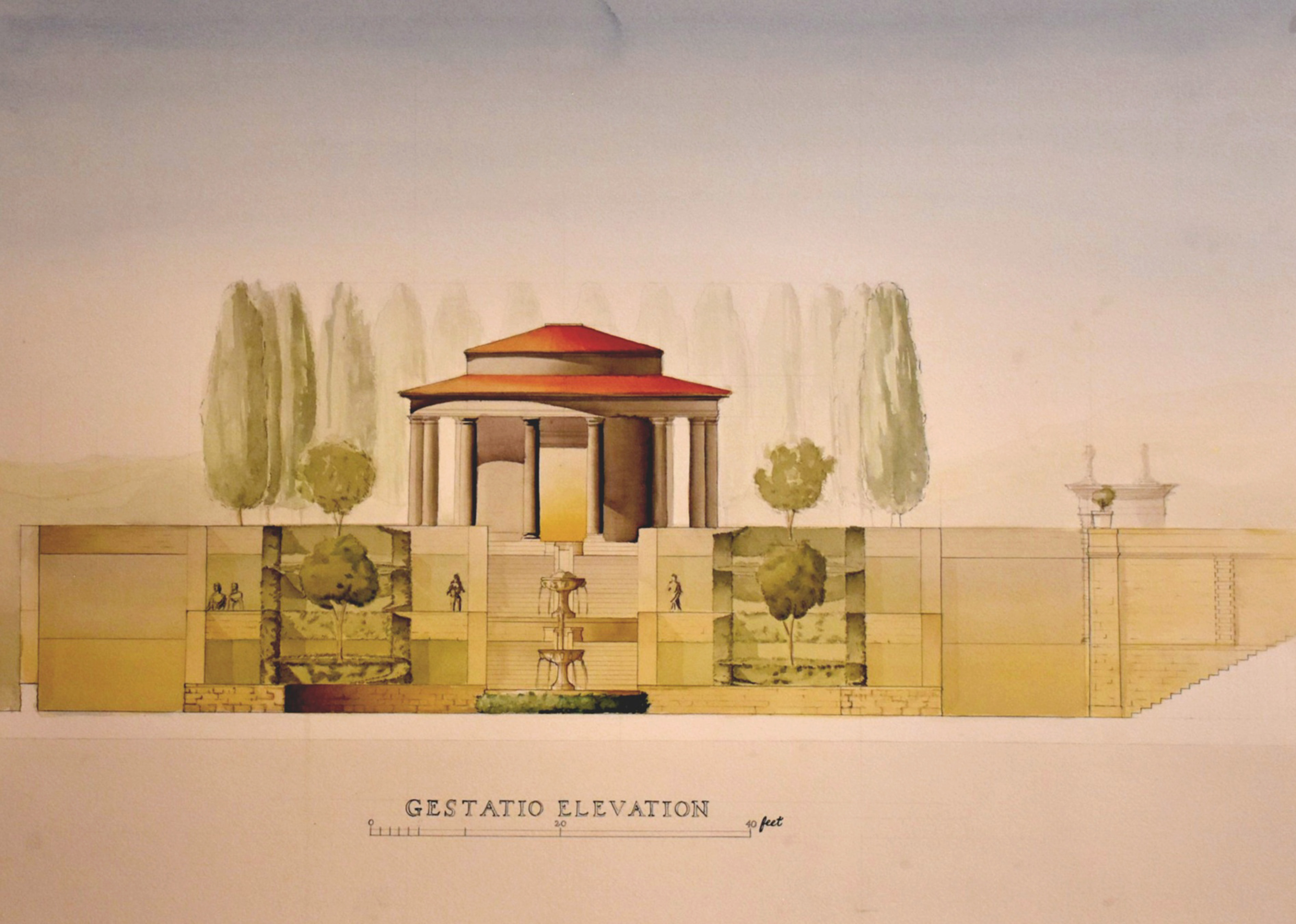
At the heart of our curriculum lies the design studio, where students cultivate the habits of careful observation, scholarship, responsibility, emulation, and composition. This is supported by coursework in traditional ink and watercolor rendering, construction principles, architectural history, and theory. Together, these disciplines converge to shape not just competent designers, but, according to the great Renaissance architect and writer, theorist Leon Battista Alberti, artistic builders.

Principles That Endure

Our vision stands upon a classical foundation shaped by the enduring legacy of Thomas Gordon Smith, whose architecture and pedagogy reignited the flame of classical practice in our time. His influence—personal, intellectual, and spiritual—suffuses our program. Architecture consists of more than mere construction: it is a noble art animated by tradition and ordered toward all that human beings hold sacred. Through his buildings, writings, and mentorship, Smith awakened a generation to the truth that classical architecture is not a relic, but a living discourse—one that expresses beauty, purpose, and faith, and restores to the art of building its sacramental vocation: to make the invisible visible.

The Classical Tripod

Like a classical tripod, the major in Architecture at Benedictine College stands on three legs:

I Catholic

“Unless the Lord build the house, they labor in vain who build. Unless the Lord guard the city, in vain does the guard keep watch.”

– Ps. 127

Human beings, created in the Imago Dei, are called to acts of re-creation as an expression of charity toward their neighbor. Inspired by the Incarnation and renewed by the Holy Spirit at Pentecost, we infuse our handiwork—even in a fallen world—with beauty that points beyond utility, toward the divine. Our capacity to make things new is a gift, enabling us to evoke realities greater than what is immediately seen. A well-crafted building or thoughtfully designed city can offer a sense of home, of peace, and invite reflection on enduring human truths. In shaping such places, the architects we seek to form will serve their families and communities in love—elevating the built environment to support, invigorate, and sanctify the rhythms of daily life and worship.

Our program draws from and in turn reinforces the mission of Benedictine College to educate men and women within a community of faith and scholarship. Benedictine College is annually recognized and recommended by The Newman Guide to Choosing a Catholic College for its excellence in faithful Catholic education.

II Liberal Arts

The study of Architecture at Benedictine College is treated as a fine art enlightened by scholarship in the liberal arts. We concur with the Roman engineer and architect Vitruvius, who wrote over two thousand years ago, that:

“[n]either natural ability without instruction, nor instruction without natural ability can make the perfect artist. Let them be educated, skillful with the pencil, instructed in geometry, know much history, have followed the philosophers with attention, understand music, have some knowledge of medicine, know the opinions of the jurists, and be acquainted with astronomy and the theory of the heavens.”

– Vitruvius, On Architecture

III Classical

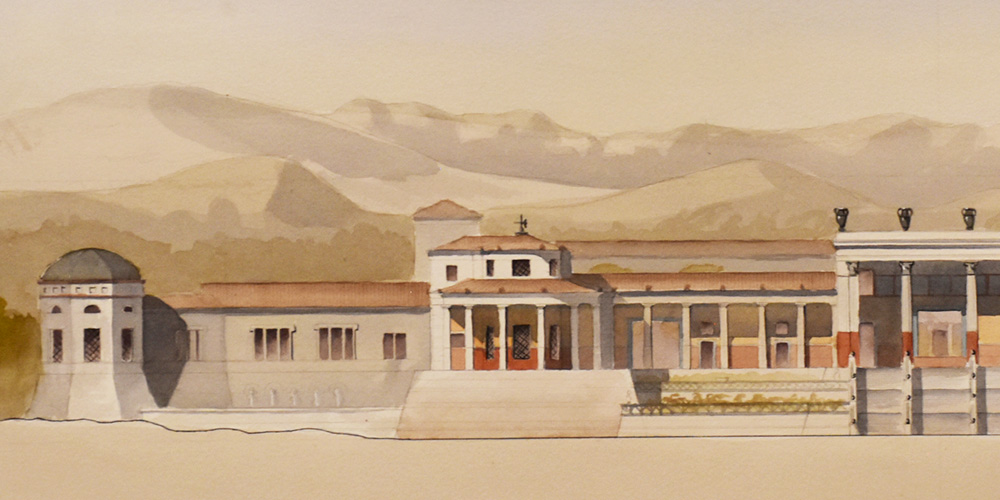
We take seriously—and allow to thrive—the timeless styles and enduring forms of beauty that Modernists, Postmodernists, Brutalists, Parametricists, Minimalists, Deconstructivists, and even Sustainability-ists fight to keep antiseptically confined in museums and history books. But aren’t our favorite vacation destinations architecturally speaking the products of tradition-based artisans, believers, strivers, and patrons? As with music, it is only through sustained practice and an education of discernment that students become alive to how architecture may successfully cultivate the human spirit across time and culture. Components of this education include integrated studies of decorum, harmony, dignity, propriety, proportion and scale.

BUT, hasn’t the classical tradition run its course—doesn’t it stifle originality? In response to such concerns, architect and educator Paul Philippe Cret wrote:

“Let us dismiss this fear of not being original, and comfort ourselves with the thought that the really great architects have always been those most eager to profit from the lessons of the past. It is by comparison with standards that we are able to judge our own progress, and this implies some familiarity with standards.”
– Paul Philippe Cret

We find no educational system more sustainable than the one that profits from the lessons and wisdom of those who have tread before us.
Department News & Media